



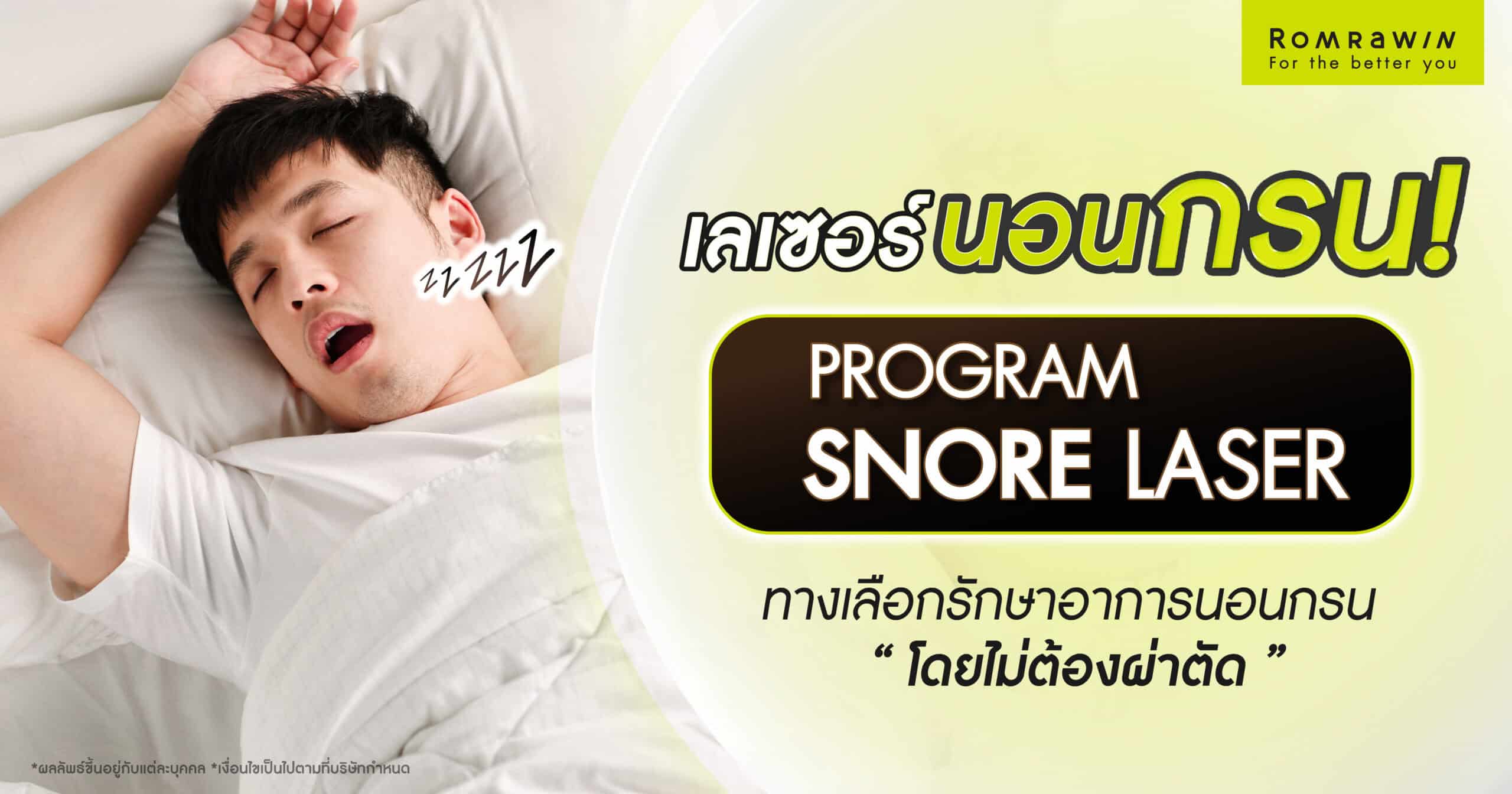
Snoring, while a common sleep problem, not only affects sleep quality but also impacts those around you and can be a warning sign of sleep apnea, potentially leading to long-term health issues. Currently, there are medical technologies designed specifically to address snoring, one of which is laser snoring treatment, or Snore Laser. This article will introduce you to laser snoring treatment: what it is, how it works, what it helps with, its advantages, and who it's suitable for, to help those seeking snoring treatment make an easier decision.
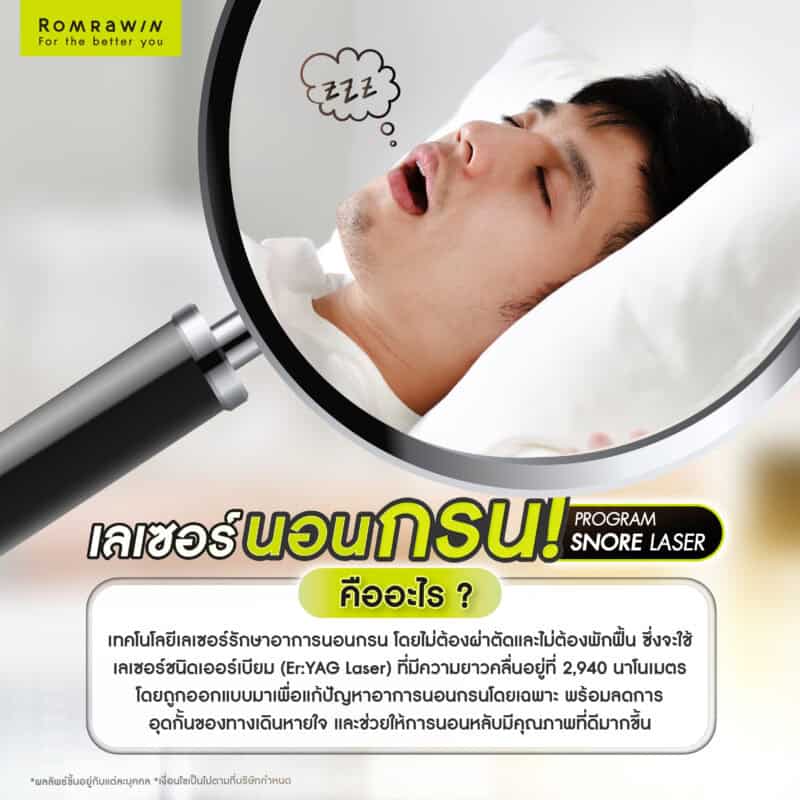
What is laser treatment for snoring?
Snore Laser is a non-surgical, no-downtime laser treatment for snoring. It uses an erbium laser (Er:YAG Laser) with a wavelength of 2,940 nanometers, specifically designed to address snoring, reduce airway obstruction, and improve sleep quality.
The principle of laser snoring treatment is to direct laser energy to the soft palate, uvula, and cheeks to stimulate collagen production in the mucosa layer. This causes these areas to contract and tighten, resulting in a wider airway and reducing tissue sagging that causes snoring during sleep.
Snoring is a condition caused by the vibration of tissues in the throat during sleep, resulting in a snoring sound during breathing. It often occurs when the airway narrows, hindering airflow. Snoring can affect both men and women of all ages, with varying degrees of severity. Some individuals may snore only slightly, while others may experience loud snoring accompanied by sleep apnea, which can have long-term health consequences.
While snoring may seem normal, if it occurs frequently, is unusually loud, causes restless sleep, daytime sleepiness, or includes interrupted breathing during sleep, you should consult a doctor for evaluation to determine the cause and plan appropriate treatment.
Causes of snoring
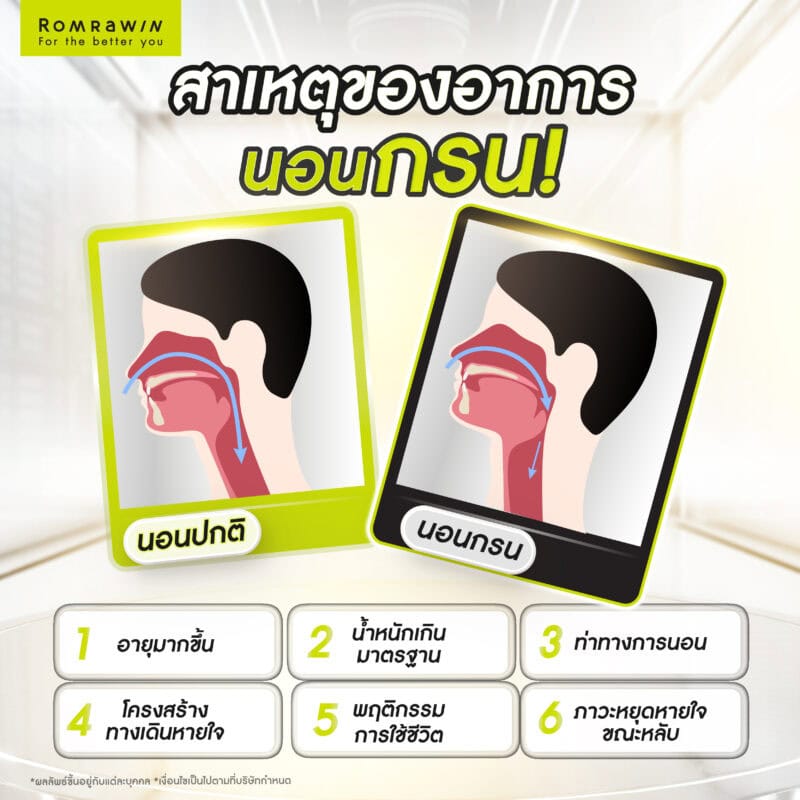
Snoring can be caused by many factors, both internal and external, as follows:
Aging is another factor that can cause snoring, as the muscles and tissues in the throat relax, narrowing the airway and making it easier for vibrations to occur during sleep.
Being overweight is another factor that can cause snoring, as excess weight can compress the airway, hindering airflow and resulting in snoring.
Sleeping position is another factor that can cause snoring, especially sleeping on your back. This causes the tongue and soft palate to move backward, narrowing the airway and making snoring more likely compared to other positions.
The structure of the airway is another factor that can cause snoring, especially in people with allergies, sinusitis, or chronic nasal congestion. These individuals often have difficulty breathing, increasing the likelihood of snoring.
Alcohol consumption is another factor that can cause snoring. When you drink alcohol, the muscles in the throat relax more than usual, making it easier to obstruct the airway and resulting in snoring.
Taking sleeping pills is another factor that can cause snoring. These drugs cause all the muscles, including those in the throat, tongue, and soft palate, to relax more than usual. This causes the tissues in these areas to sag and block the airway, resulting in snoring.
Insufficient rest is another factor that can cause snoring. When the body is sleep-deprived or doesn't get enough sleep, all the muscles relax more than usual, causing the airways to narrow. This leads to tissue vibrations and the production of snoring sounds.
In some cases, snoring can be a warning sign of sleep apnea, a condition where the airway is intermittently obstructed during sleep. This can affect sleep quality and long-term health. Therefore, if you experience daytime sleepiness, wake up feeling unrested, or frequently wake up during the night, you should seek medical diagnosis immediately.
Generally, snoring can be classified into several levels of severity, as follows:
Snoring at this level is similar to a whisper, the ticking of a clock, or general ambient noise, usually below 30 decibels. It typically doesn't affect sleep quality and isn't considered harmful to health or disturbing to those around you.
Snoring at this level is similar to soft speech or birdsong, typically around 30-40 decibels. This can begin to slightly affect sleep quality, leading to restless sleep or disturbing those around you, especially children, the elderly, or those who have difficulty sleeping.
Snoring at this level is similar to the sound of heavy rain, a refrigerator, or electrical appliances in a quiet room. It typically reaches 40-55 decibels, which can significantly affect those around you and may signify airway obstruction. In such cases, you should seek medical evaluation and ensure you maintain proper sleep quality and overall health.
Snoring at this level is similar to loud conversation, music in the room, or the sound of a washing machine, and is often louder than 55 decibels. This significantly impacts the sleep of both the snorer and those around them, and may increase the risk of heart disease, high blood pressure, and stroke due to insufficient rest and potential oxygen intake during sleep.
What are the effects of snoring?
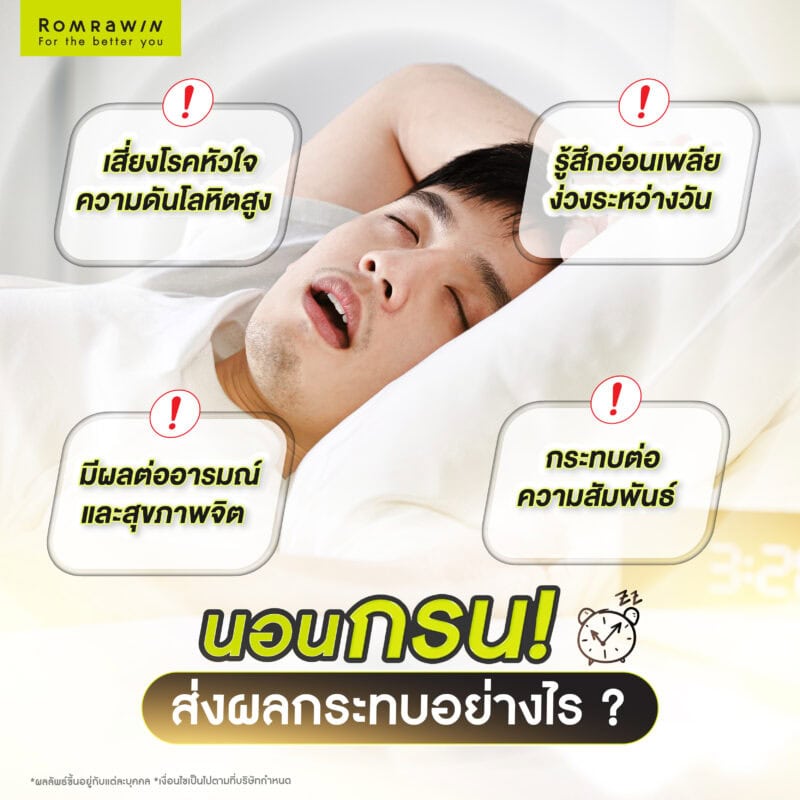
Many people may consider snoring a normal, common occurrence during sleep, but in reality, snoring can have a greater impact on health and quality of life than you might think. Besides disrupting sleep quality, it can also be a warning sign of long-term health problems, as follows:
Snoring may increase the risk of heart disease and high blood pressure because when you snore, the airways narrow, reducing the amount of oxygen the body receives. This puts extra strain on the cardiovascular system, increasing the risk of various illnesses.
Snoring can affect hormones and metabolism because poor quality sleep can disrupt the function of hormones related to hunger and metabolism, increasing the risk of weight gain or obesity.
Snoring can cause fatigue and daytime sleepiness because snorers often don't get deep enough sleep or rest fully. This results in easy tiredness, fatigue, and excessive daytime sleepiness, and may also reduce work performance or daily life efficiency.
Snoring can affect mood and mental health because consistently insufficient sleep can lead to mood swings, irritability, stress, depression, or decreased concentration, impacting personality and quality of life in the long term.
Snoring can disturb those around you and negatively impact relationships. Loud snoring can prevent those around you from getting adequate rest, potentially affecting relationships and shared lives in the long run.
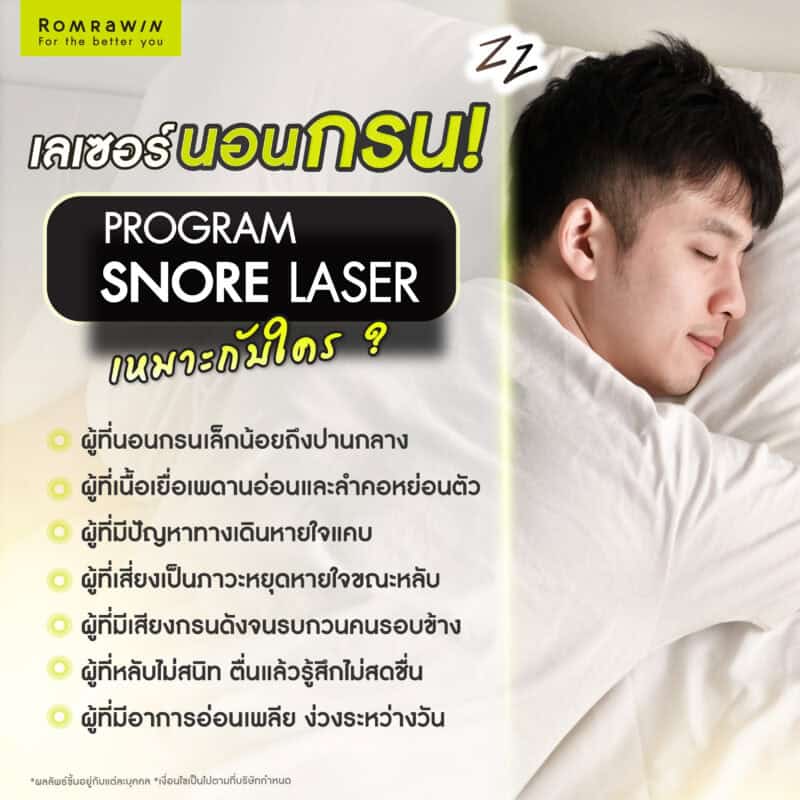
Who is laser treatment for snoring suitable for?
Note: Before undergoing laser treatment for snoring, you should consult a doctor and inform them of your health history, including any pre-existing conditions, allergies, previous procedures, and medications you are currently taking.
Although laser snoring is a non-surgical and safe sleep treatment technology, it may not be suitable for individuals with certain health problems, such as the following:
Note: Before undergoing laser treatment for snoring, you should consult a doctor and inform them of your health history, including any pre-existing conditions, allergies, previous procedures, and medications you are currently taking.
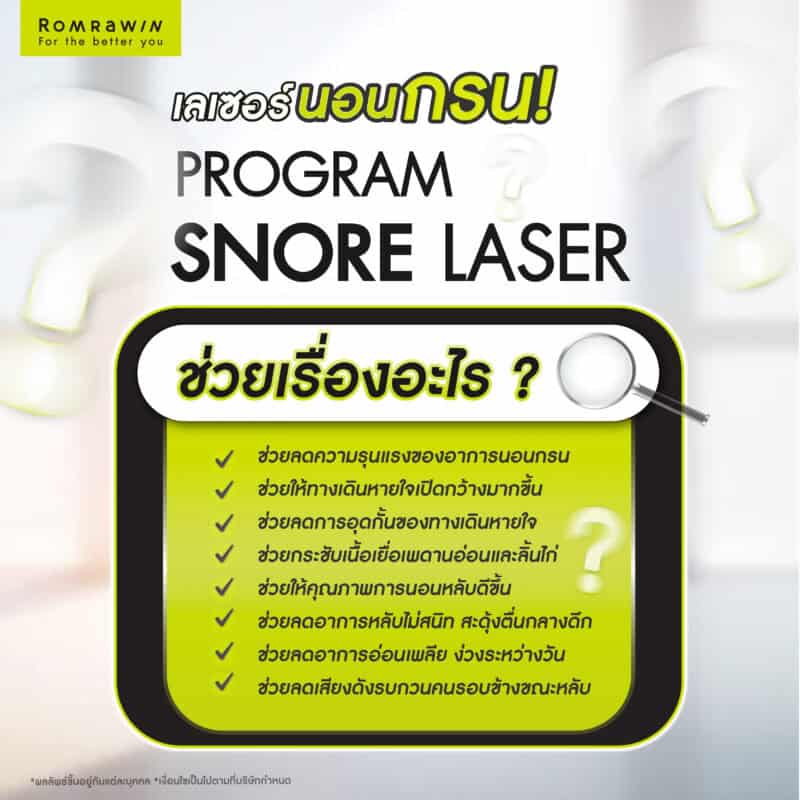
What are the benefits of laser treatment for snoring?
Before starting treatment, the doctor will assess the structure of the airway, mouth, and throat to analyze the cause and severity of snoring, and will explain the treatment plan in detail.
The doctor will begin by applying erbium laser (Er:YAG Laser) energy to the soft palate, uvula, and cheeks to stimulate collagen production and tighten the tissues around the airway. The treatment takes approximately 30 minutes, depending on the individual's needs.
At certain points during treatment, the doctor may ask the patient to rinse or gargle periodically to help reduce irritation and increase comfort during the procedure.
After the treatment is complete, you can return home and resume your daily life as normal. Your doctor will provide guidance on proper post-treatment self-care to minimize the chance of side effects.
After laser treatment for snoring, proper self-care is essential to minimize irritation in the mouth and throat, promote tissue recovery, and enhance treatment effectiveness. Here are some post-treatment self-care recommendations:
Does laser treatment for snoring have any side effects?
Although laser treatment for snoring is a non-surgical and safe procedure, minor side effects may occur in the initial period. These are generally mild and resolve naturally.
Is laser treatment for snoring painful?
How many laser treatments for snoring do I need to see results?
How long do the effects of laser treatment for snoring last?
How much does laser treatment for snoring cost?
What types of snoring require a doctor's visit?
If you snore unusually loudly and regularly, disturbing those around you, or if your snoring is particularly loud and noticeable when lying on your back, it may be a warning sign that your airway is beginning to obstruct during sleep.
If you experience difficulty breathing, interrupted breathing, or intermittent breathing pauses during sleep, including waking up suddenly in the middle of the night, coughing, choking, or feeling like you can't get enough air, you should see a doctor immediately for appropriate treatment.
If you wake up feeling unrested, tired, sleepy during the day, lacking concentration, or experiencing a foggy mind, even after sleeping for a long time, it may be a sign of decreased sleep quality due to snoring problems.
Headaches upon waking up may be caused by insufficient oxygen supply during sleep. If this occurs frequently, it can affect the cardiovascular system and increase the risk of high blood pressure.
Poor sleep quality due to snoring can affect the brain and nervous system, leading to irritability, mood swings, decreased concentration, or memory problems, which can impact work performance and daily life.
As you can see, laser snoring treatment, or Snore Laser, is a suitable option for treating snoring because it is a non-surgical procedure, minimally painful, and requires no recovery time. It is specifically designed to address snoring problems by stimulating collagen production and tightening tissues in the airway, allowing for easier breathing and improved sleep quality. Therefore, anyone interested in laser snoring treatment or struggling with snoring problems can consult a doctor at Romrawin Clinic. A doctor will assess the condition, determine the cause and severity of the symptoms, and develop an appropriate treatment plan for truly effective results.
*Results may vary depending on individual skin conditions. Consult a doctor before undergoing this procedure.
*Terms and conditions apply as specified by the company.