



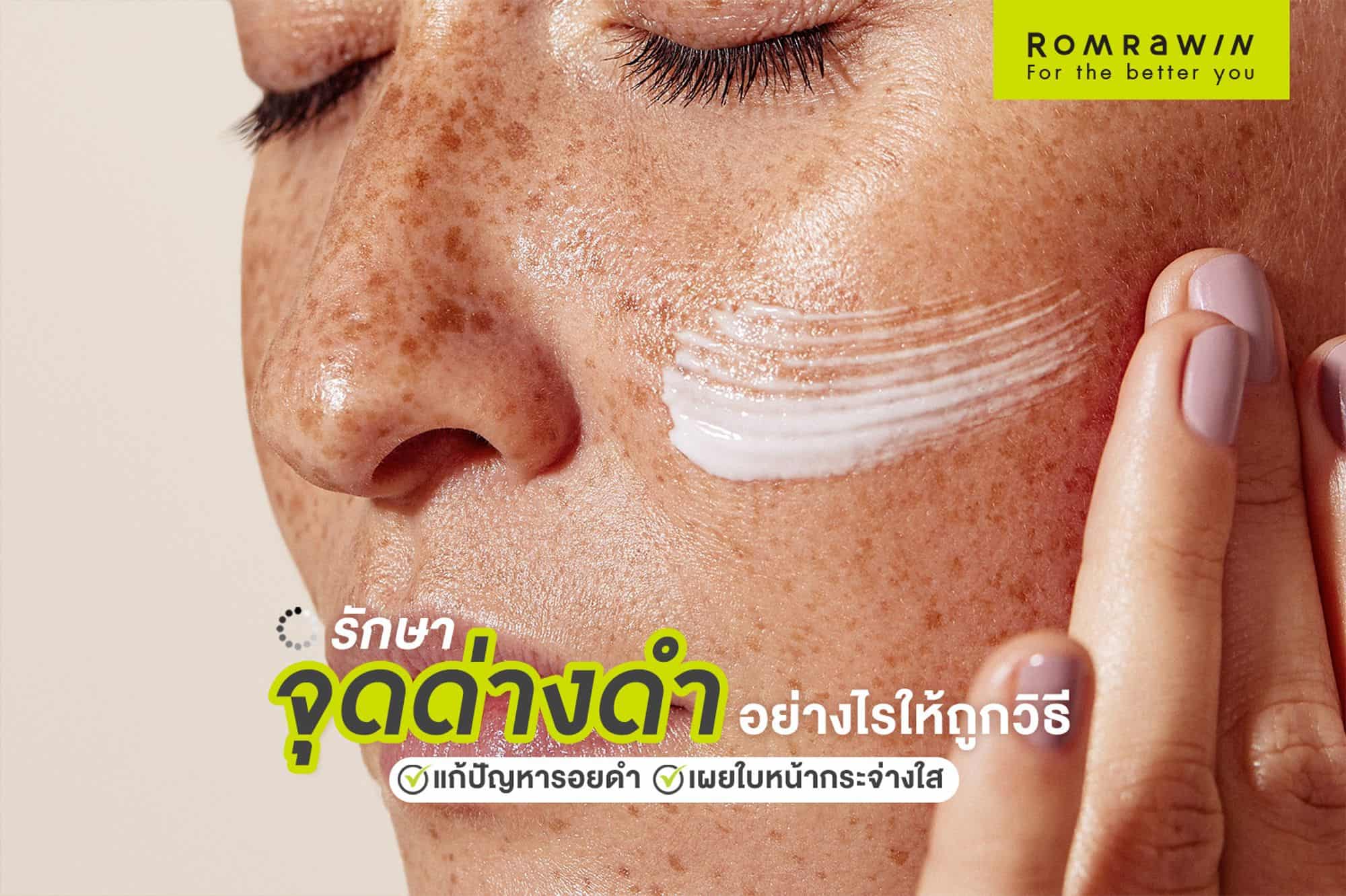
Dark spots are one of the top skin problems that cause many people to lose confidence. Dark spots, melasma, and freckles cause uneven skin tone and make the face look tired and dull. If left untreated, dark spots can become deeply embedded in the skin, leading to a tired and dull complexion . Therefore, let's understand melasma, freckles, and dark spots better so we can find the most effective treatment methods.
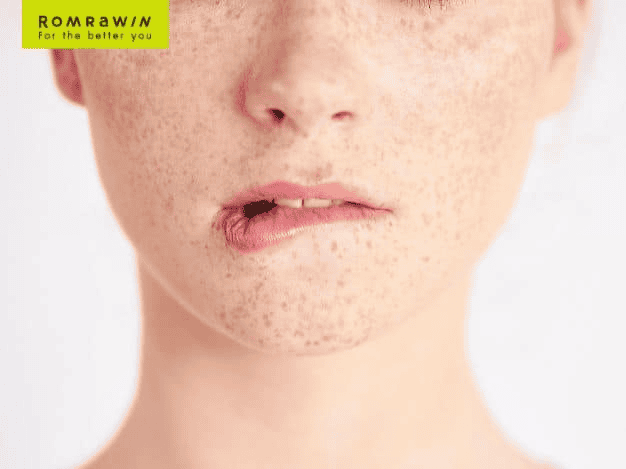
Hyperpigmentation (or dark spots) is a visible skin problem on the face or body. Dark spots are areas of skin that are darker than the surrounding skin. Their size and shape vary from person to person. These dark spots can occur on anyone, regardless of skin type – sensitive, dry , or oily – because the body produces too much melanin in the face, resulting in an uneven and dull complexion.
Dark spots or other facial blemishes result from inflammation of the skin, whether caused by acne or sun exposure. This inflammation stimulates melanocyte cells beneath the skin to produce more melanin through the enzyme tyrosinase. This melanin is then transported to the upper layers of the skin, leading to accumulation and ultimately resulting in dark spots, freckles, melasma, or acne scars.
After understanding how dark spots form, we can categorize facial dark spots into three types:
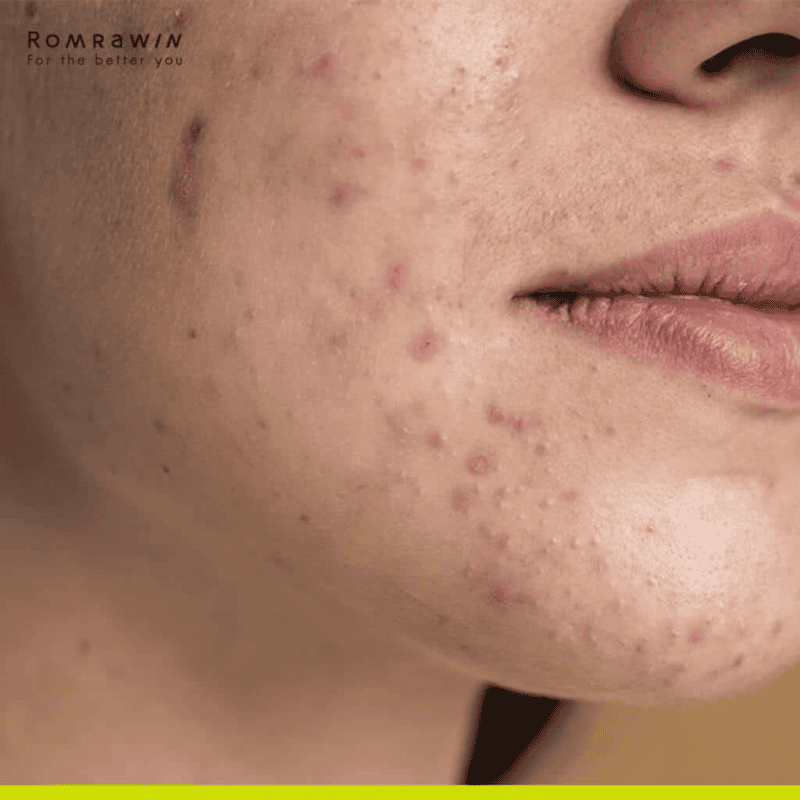
Dark spots left behind by acne are common during adolescence due to hormonal changes that increase the likelihood of acne and dark spots. Acne scars appear as circular marks, the size of the acne itself, and their intensity depends on the severity of the inflammation. Severe inflammation can lead to deeper-seated dark spots, making treatment and scar removal more slow. To treat these dark spots, avoid picking, squeezing, or pressing acne, as this can worsen inflammation and leave dark marks after scabbing.
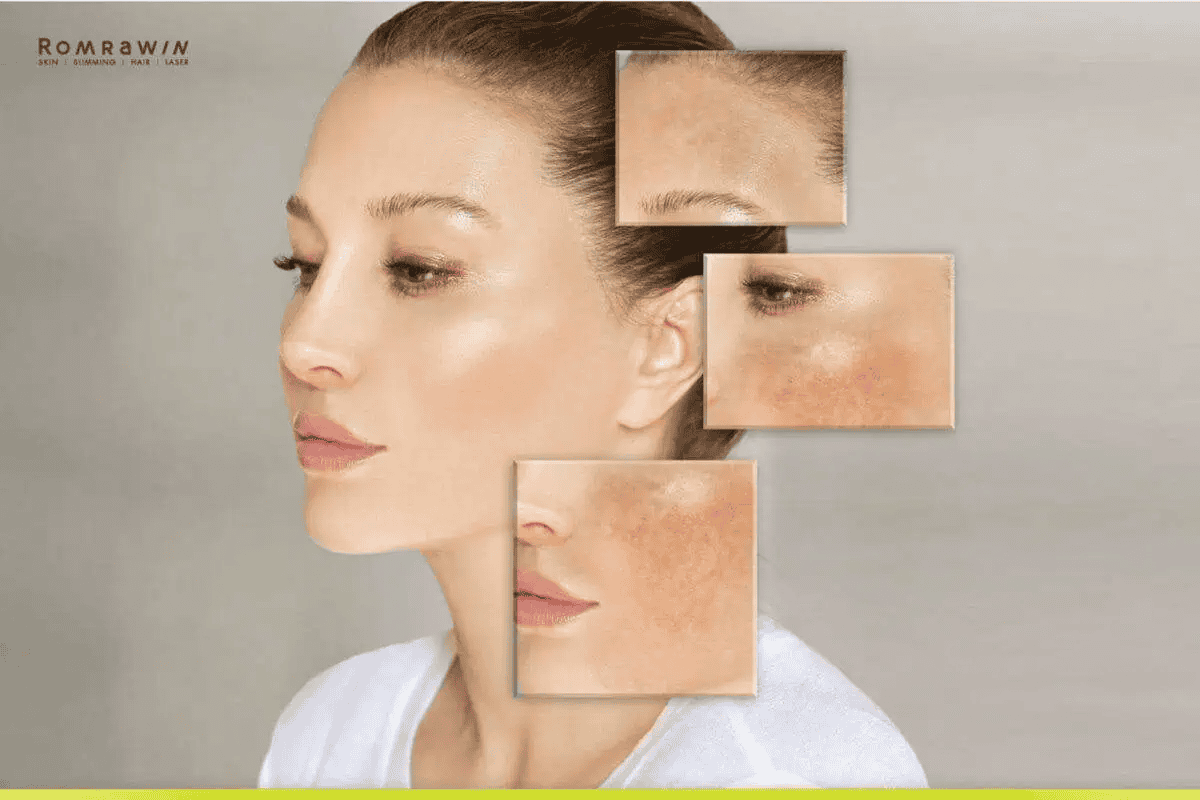
Dark spots caused by melasma are common in people who are regularly exposed to sunlight. Sunlight and blue light from electronic devices affect the skin, causing the body to produce excessive melanin to protect against radiation. This results in dark spots and melasma. Melasma appears as light brown patches that cluster in one area. If left untreated, melasma can become deeply embedded in the affected area. The best way to treat this type of dark spot is to use sunscreen and avoid sun exposure.
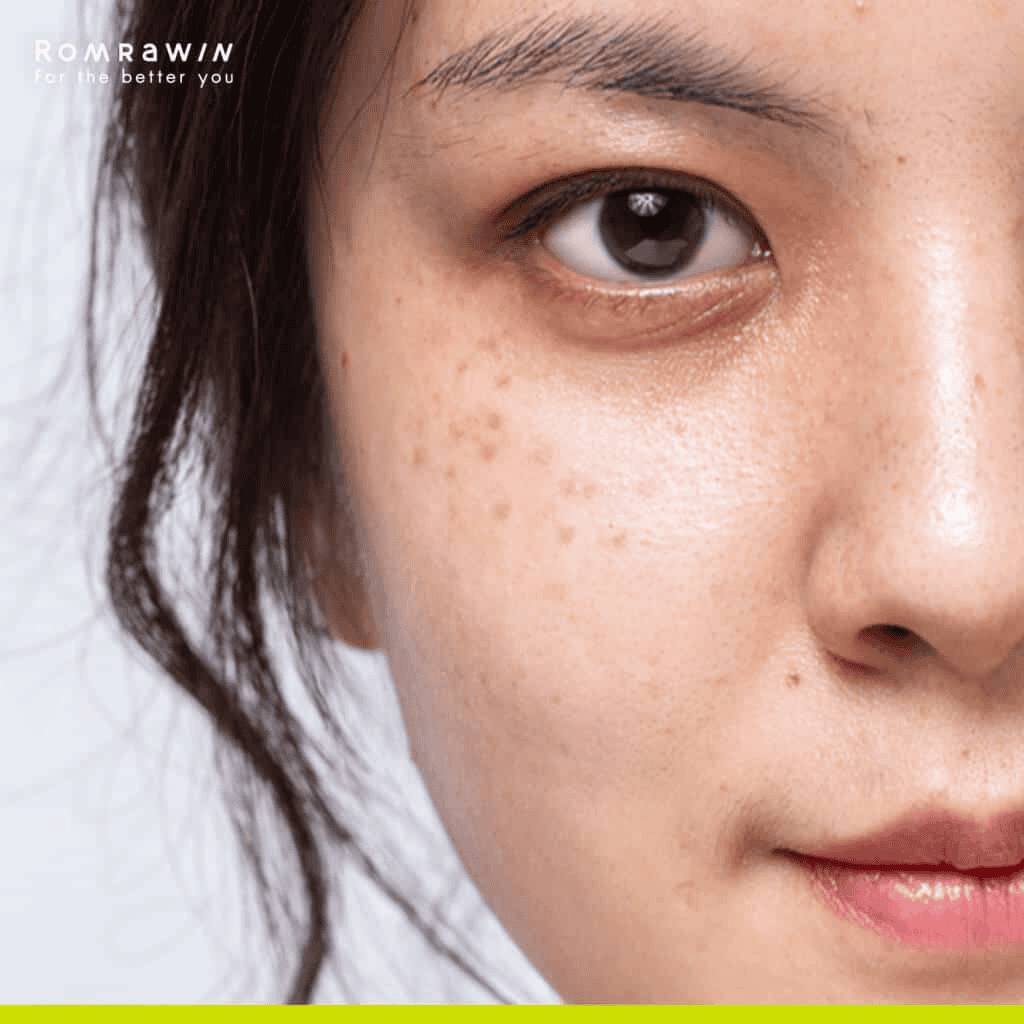
Freckles are common in fair-skinned individuals, both children and adults. Their formation process is similar to melasma, resulting from a malfunction in melanin production. Freckles appear as small, round spots scattered across the face and neck, and may enlarge when exposed to UV light or pollution. Treatment for freckles can be done at home by avoiding intense sunlight or using creams designed to reduce freckles, melasma, and dark spots.
Before we look at tips for treating dark spots, let's examine the causes of dark spots on the face.
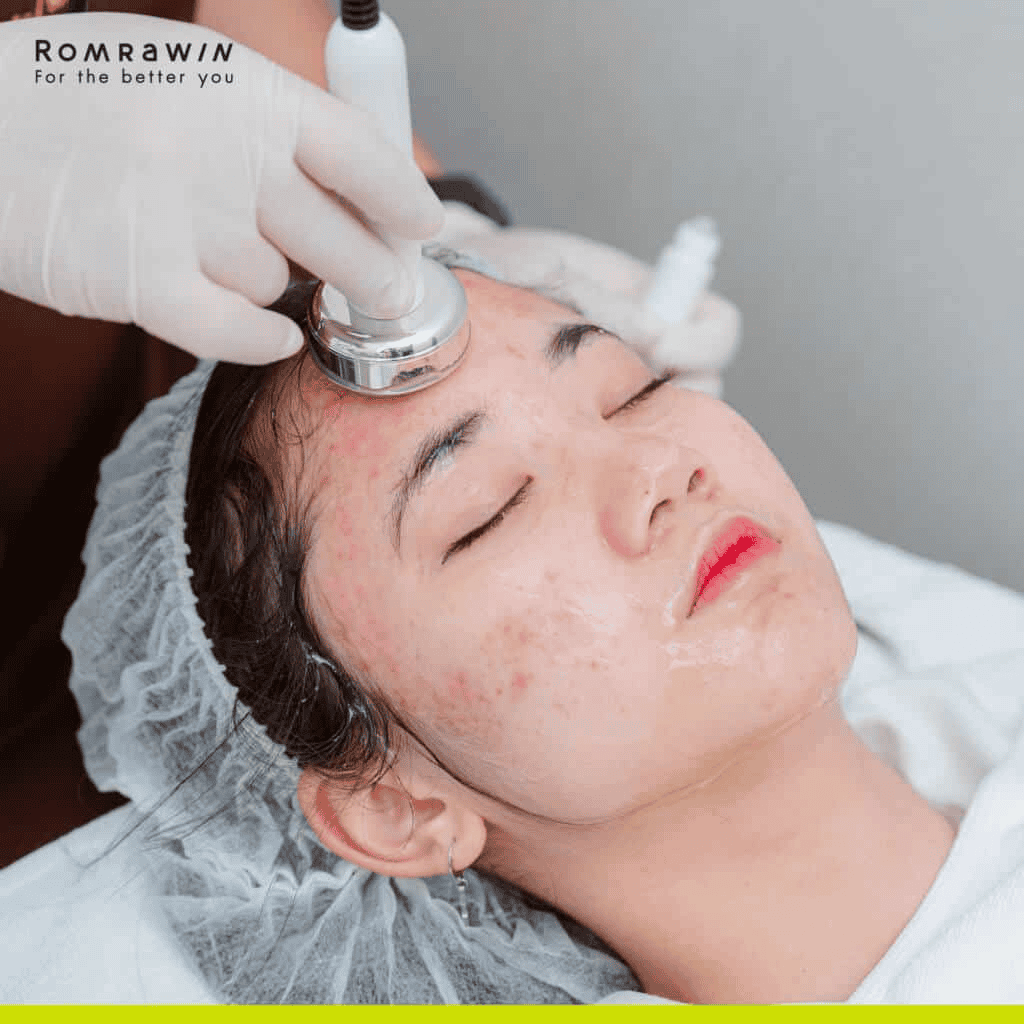
Dark spots on the face are something that can happen to anyone. Nowadays, there are many ways to treat melasma, freckles, and dark spots, whether it's quick dark spot reduction methods or natural methods. So let's look at how to care for your skin to enhance its radiance!
Laser treatment for dark spots is one of the most popular methods for treating hyperpigmentation because it can be used on all skin types. It can help reduce the appearance of dark spots and scars, tighten pores, and stimulate collagen production. However, it's crucial to avoid sun exposure after laser treatment to prevent the dark spots from becoming darker. Popular laser treatments include Q-switch laser , acne scar laser , and Pico Laser.
Anyone interested in trying Pico Laser treatment for dark spots can find more information at: How much does Pico Laser cost? Is it worth it for treating melasma, freckles, and dark spots?
Facial treatments for dark spots help to even out skin tone and reduce dark spots. The treatment device emits light into the skin layers to address dullness and soothe the skin. Importantly, this method is needle-free, making it suitable for those who fear needles or prefer not to use anesthesia.
Exfoliation is one method of treating dark spots. This process removes dead skin cells or the outer layer of skin, which helps to fade dark spots and promotes the growth of new skin cells. It can help address issues like dark spots and excess oil on the face. However, this method may cause skin irritation in some individuals.
Another effective treatment for reducing dark spots is microdermabrasion. This type of powder is very fine, like sand. When the crystal powder comes into contact with the skin, it exfoliates the epidermis, removing dark spots more quickly than usual. However, this method may not be suitable for people with sensitive skin, as it may cause irritation during the resurfacing process.
Using skincare to treat facial dark spots is ideal for those who don't have time to go to a beauty clinic but want to care for their skin themselves. You can nourish your skin by choosing products that moisturize, have a gentle texture, and contain glycolic acid, which has exfoliating properties to brighten your complexion and reduce dark spots.
Applying sunscreen is one of the best ways to reduce dark spots because it creates a protective barrier for your skin, shielding it from UV rays and blue light. It's recommended to apply sunscreen daily, choosing one with an SPF of 30 or higher for better sun protection.
Getting enough sleep can help reduce dullness and fade dark spots on the face because sufficient rest promotes better balance in the body and reduces the occurrence of oily skin and acne. It is recommended to get at least 7-9 hours of sleep for healthier skin.
The final step in treating dark spots is drinking enough clean water every day. It's undeniable that water is essential for the body, as it makes up two-thirds of our body weight. Sipping water regularly not only hydrates the skin but also improves skin health and balances the body.
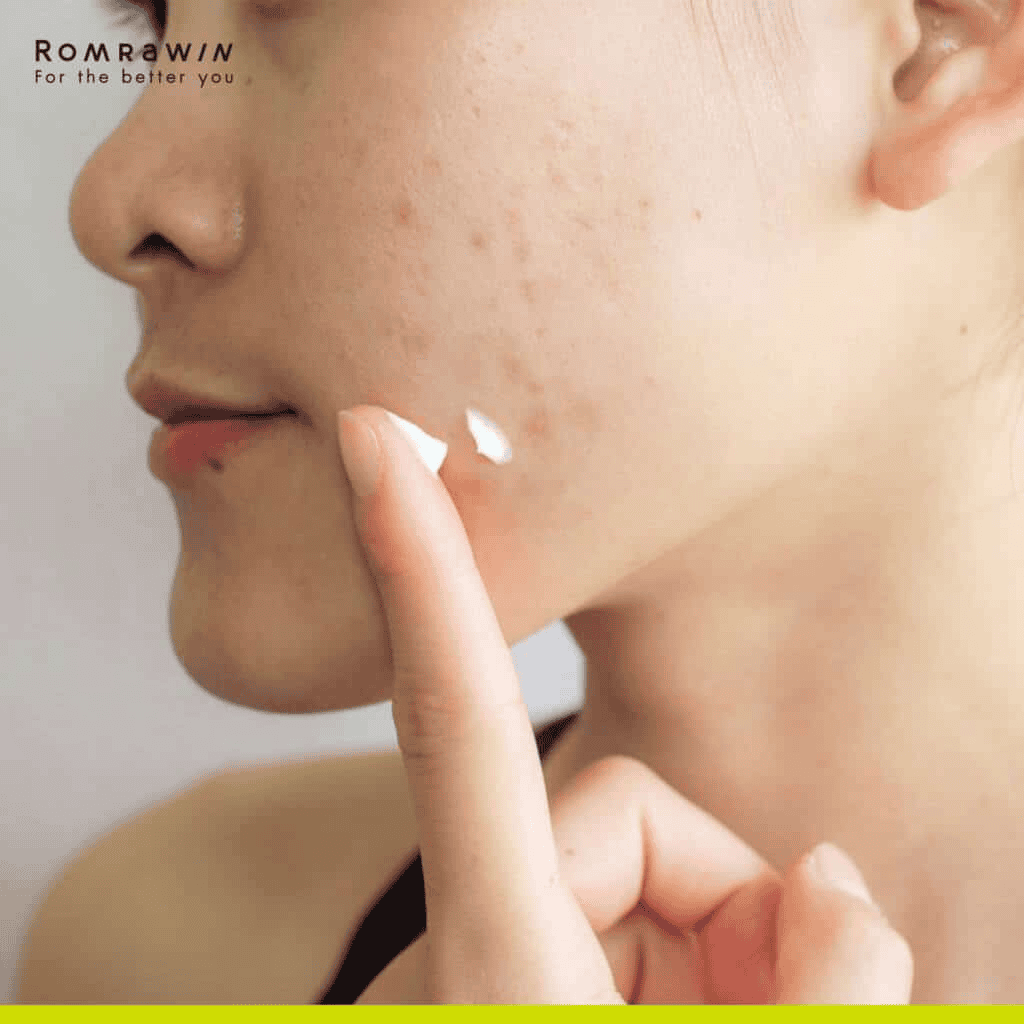
Melasma, freckles, and dark spots are skin problems that cannot be completely cured, but we can prevent their appearance with the following tips.
Dark spots are a skin problem that can affect anyone. The main factors causing dark spots on the face include sun exposure, pollution, hormones, bodily functions, and genetics. These factors can be prevented by paying more attention to skincare, getting enough sleep, and applying sunscreen before going outside, to maintain healthier skin.
For those seeking treatments to reduce dark spots, Romrawin Clinic offers laser skin brightening services to address dull skin and restore radiance. We also provide laser treatments for melasma and freckles, performed by doctors with over 20 years of experience, ensuring comprehensive skin care and effective treatment for uneven skin tone.