



Weight rebound, or the yo-yo effect, is a common problem resulting from incorrect weight loss methods, such as rapid weight loss, starvation, or other inappropriate techniques. These methods disrupt the body's metabolism and lead to increased fat accumulation. This article will explain what the yo-yo effect is, how it occurs, its negative health effects, and share ways to manage your weight and reduce the chances of regaining it.
What is the Yoyo Effect?
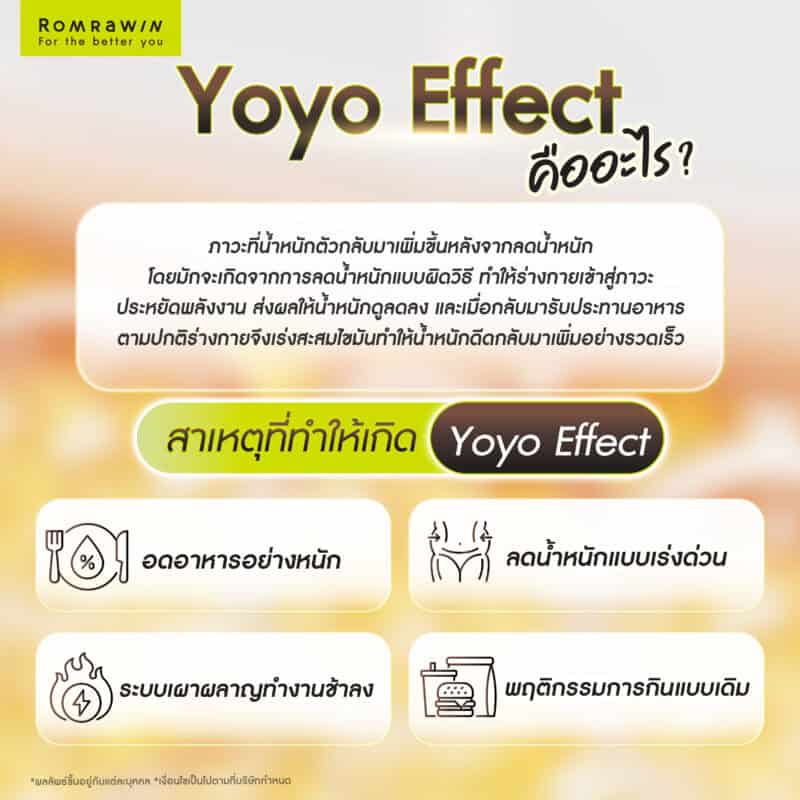
The yo-yo effect refers to the phenomenon where weight is regained after successful weight loss, and in some cases, may even increase more than before. This often results from improper weight loss methods, rapid dieting, starvation, or inappropriate weight management techniques. The body enters an energy-saving state, making weight appear lost. When normal eating habits are resumed, the body stores fat more easily, leading to a rapid weight regain.
The yo-yo effect can occur due to various reasons, but most often it results from improper weight loss methods or a lack of long-term health and wellness habits. The main causes of the yo-yo effect are as follows:
Fasting or eating too little may initially lead to weight loss, but the body enters an energy-saving mode, slowing down metabolism. When you return to normal eating habits, you may overeat, causing weight to regain or resulting in the yo-yo effect.
Rapid weight loss over a short period, while potentially leading to quick results, can result in a greater loss of muscle mass and water than fat. When muscle mass decreases, the body's metabolism slows down, increasing the likelihood of fat accumulation and leading to the yoyo effect.
When the body receives too little energy continuously for a long period, it slows down the metabolism in order to conserve energy for bodily functions. If you return to your normal food intake, you may gain weight more easily than before because your metabolism is damaged.
After losing weight, many people may revert to their old lifestyles or eating habits, such as consuming large quantities of food, sugary or fatty foods, or snacking frequently. They may also lack regular exercise. Neglecting self-care can easily lead to weight regain and ultimately the Yoyo Effect.
Appetite-reducing peptides can help maintain a healthy figure, control weight in the long term, and potentially reduce the yo-yo effect in some cases. This is because appetite-reducing peptides work by balancing hormones within the body that regulate hunger, satiety, and metabolism. This makes it easier to modify eating habits, reduce snacking, and prevent overeating.
However, sustainable weight management should involve a combination of diet, exercise, and lifestyle changes to help maintain long-term body balance. The use of appetite suppressants should be under the supervision and evaluation of a physician to create a personalized treatment plan.
Appetite-reducing peptides mimic the action of hormones associated with hunger and satiety. They send signals to the central brain to feel full faster and help you feel full for longer.
People who have trouble snacking or feel hungry frequently throughout the day often unknowingly consume more calories than they need. Appetite suppressant peptides help slow down digestion, causing food to remain in the stomach longer, thus promoting a feeling of fullness and reducing hunger between meals.
Appetite-reducing peptides don't just focus on short-term weight loss; they also support dietary changes, help maintain healthy blood sugar levels, and promote metabolic balance, ultimately leading to weight management and reduced long-term health risks.
However, the use of appetite suppressant peptides should be under the supervision and evaluation of a physician to plan appropriate care for each individual.
How to lose weight without the yo-yo effect.
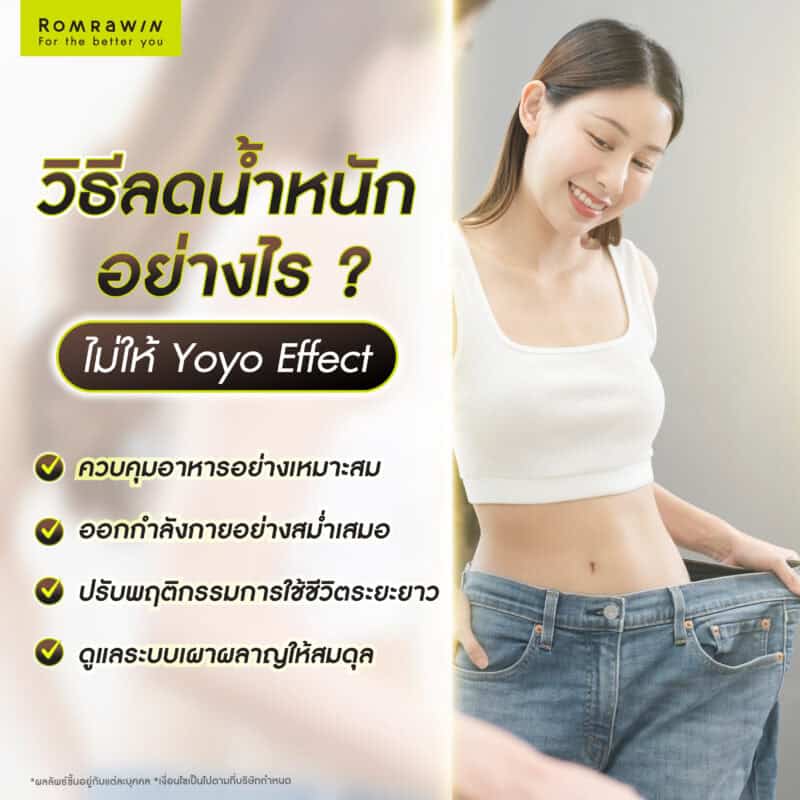
Sustainable and long-term weight loss isn't just about losing weight as quickly as possible, but about combining health care with lifestyle changes over the long term. This helps reduce the chance of the yo-yo effect and allows you to maintain a healthy weight consistently. Here's how to lose weight without the yo-yo effect:
It is important to eat a complete and balanced diet to maintain a balanced metabolism. Avoid starving yourself or severely restricting calorie intake, as this can lead to a state of low metabolism.
Consistent exercise increases energy expenditure and helps maintain muscle mass, which plays a crucial role in metabolism. It improves the body's ability to burn energy more efficiently and reduces the risk of the yo-yo effect.
Sustainable weight loss should involve lifestyle changes such as eating at regular times, reducing snacking, getting enough sleep, and managing stress. These factors affect hunger hormones and metabolism, and can help reduce the likelihood of the yo-yo effect in the long term.
A balanced metabolism is one of the key factors in maintaining a healthy weight. Avoid starving yourself, ensure you consume enough protein, and exercise regularly to maintain muscle mass, improve metabolic efficiency, and reduce the risk of the yo-yo effect.
Furthermore, maintaining overall health along with proper weight management can help reduce the likelihood of experiencing recurring weight fluctuations, or the yoyo effect.
The yoyo effect doesn't just result in weight regain; it can also have long-term impacts on both physical and mental health, including:
The yo-yo effect, or the phenomenon where weight rebounds after weight loss, occurs due to a damaged metabolism resulting from improper weight loss methods. This can have negative long-term effects on both physical and mental health. Sustainable weight loss, coupled with ongoing health care such as lifestyle changes, appropriate dietary adjustments, and regular exercise, will help maintain body balance and reduce the likelihood of the yo-yo effect.
*Results depend on self-care and individual physical condition. Consult a doctor before receiving this service.
*Conditions are as specified by the company.