



Red, pink, or reddish-brown melasma may not just be typical melasma caused by pigmentation alone. It could be melasma caused by excess pigment and abnormalities in the capillaries beneath the skin. So what is melasma? Melasma can be triggered by sun exposure, heat, hormones, genetics, and sensitive skin. Therefore, treatment isn't just about reducing pigmentation. This article will explore what melasma is, how to recognize it, its causes, risk factors, treatment approaches, and skin care techniques to prevent it from reappearing.
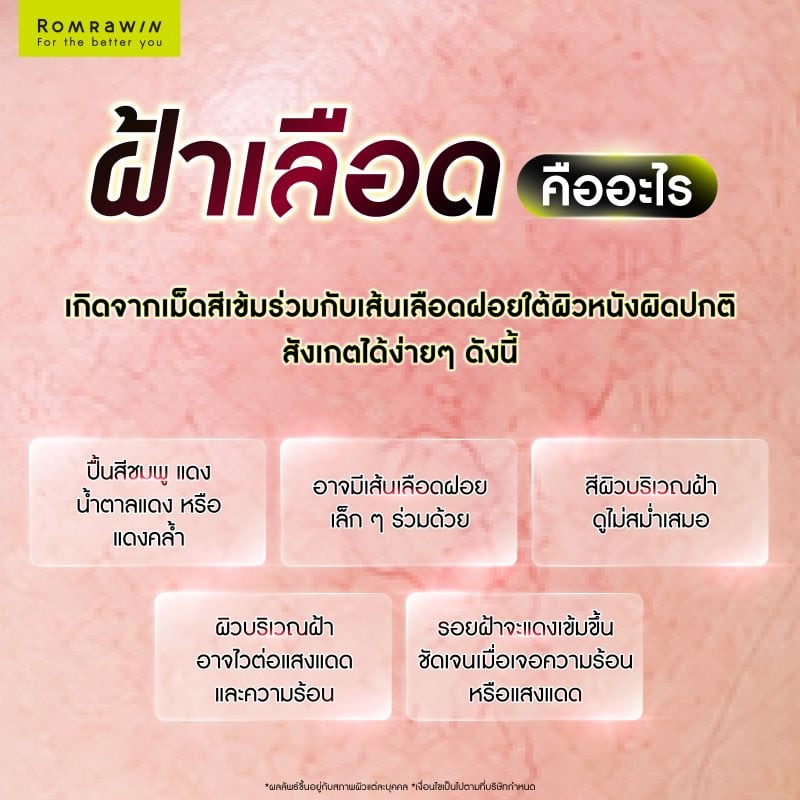
What are blood clots?
Vascular melasma is a skin disorder caused by the combination of melanin accumulation and abnormalities in the capillaries beneath the skin. This combination results in a different appearance from typical melasma, typically appearing as pink, red, reddish-brown, or dark red patches. In some cases, small capillaries may be visible beneath the skin. Because of the combination of melanin and vascular problems, vascular melasma is often more difficult to treat than other types of melasma. Therefore, treatment approaches must be tailored to each individual's skin condition.
Here are some easy ways to spot a blood clot.
What are melasma? Melasma differs from regular melasma, particularly in its color. It's not just brown, but often has a red or pink undertone. Common characteristics of melasma include:
In some cases, melasma may resemble sunspots or a combination of both, or it can occur alongside other types of melasma, making it difficult to differentiate. Therefore, if you wish to treat melasma, you should consult a doctor so that they can assess the type of melasma and plan a treatment suitable for your individual skin condition.
What are melasma? Melasma can occur in many areas of the face, especially where the skin is regularly exposed to sunlight or UV radiation. UV radiation can stimulate both melanin production and the dilation of capillaries under the skin. Common locations for melasma include:
What causes melasma (melasma caused by blood vessels )? Melasma can result from a combination of factors, including abnormalities in the capillaries under the skin and the accumulation of melanin pigment. Therefore, treating melasma is more complex than treating other types of melasma. Several factors may trigger melasma, including:
What are the main factors causing melasma? It's the abnormal dilation of blood vessels or abnormalities in the capillaries under the skin that stimulate the activity of melanin-producing cells, resulting in red, reddish-brown, or dark red patches on the skin. This is especially noticeable in people with thin skin, where blood vessels may be easily visible.
UVA and UVB radiation stimulate skin cells to produce melanin, and also trigger inflammation and the dilation of capillaries under the skin. If the skin is exposed to sunlight for prolonged periods without proper protection, melasma may become darker and more difficult to treat.
Changes in hormone levels, particularly estrogen and progesterone, can affect melanin production and blood vessel function under the skin, increasing the likelihood of developing melasma. This is common in pregnant women, those using birth control pills, those using hormone replacement therapy, and women entering menopause.
Prolonged use of skincare products containing steroids or other harmful substances can thin and weaken the skin's protective barrier, making capillaries more prone to dilation, especially when the skin is exposed to sunlight or irritated.
If you have a family history of melasma, you may be more prone to developing melasma, especially when other triggers are present, such as prolonged sun exposure or changes in hormone levels.
Various behaviors and conditions can trigger or darken melasma. For example, behaviors and conditions that may make melasma darker or more difficult to treat include: sensitive or easily irritated skin, the use of irritating skincare products such as steroids or banned substances, chronic skin inflammation, accumulated stress, and insufficient sleep.
Generally, melasma is not caused by a single factor, but rather by multiple triggering factors. Therefore, for effective treatment of melasma, a medical evaluation is crucial to identify the cause and plan a treatment tailored to each individual's skin condition.

Check who is at risk of developing melasma (blood clots)?
People who work outdoors or engage in activities that expose them to sunlight for extended periods are more likely to accumulate UVA and UVB radiation than normal, increasing their risk of developing melasma and other types of freckles.
Using products or skincare containing steroids or banned substances can weaken the skin's protective barrier, thin the skin, and cause capillaries to dilate easily. Besides increasing the chance of melasma, it can also make the skin more prone to irritation, acne, or rashes.
Hormonal changes affect both melanin production and blood vessel function beneath the skin, especially in pregnant women, those using birth control pills, those using hormone replacement therapy, and those going through menopause.
People with sensitive skin, weakened skin barriers, or chronic skin inflammation tend to be more susceptible to sunlight and various triggers such as pollution, dust, and other factors. Therefore, they are more prone to developing melasma or causing existing melasma to darken.
Genetics is another important factor that influences the likelihood of developing melasma. If there is a family history of melasma, individuals may be at a higher risk than the general population, especially when other triggers are present, such as sunlight, heat, or hormonal changes.
Melasma is caused by the accumulation of melanin pigment and abnormalities in the capillaries under the skin, requiring a combination of treatments. Popular treatment approaches include the following:
Laser treatment is a popular method for treating melasma because it can address both pigment accumulation and abnormal capillaries simultaneously. It also helps reduce dark spots, acne scars, melasma, and freckles, while stimulating collagen production for improved skin elasticity and a smoother appearance. The doctor will assess and select the most suitable laser model for each individual's skin condition. The number of treatment sessions will vary depending on the severity of the problem and the skin's response.
IPL (Intense Pulsed Light) is a technology that uses multiple wavelengths of light to help reduce melanin pigmentation and abnormalities in blood vessels under the skin. This helps to reduce redness and dark spots from melasma, and promotes a more even skin tone.
Skin boosters can help increase hydration, restore skin quality, and strengthen the skin's protective barrier, resulting in healthier skin and reduced irritation. Skin boosters are often used in conjunction with other treatments for melasma because they can improve the skin's response to treatment.
Skin nourishing treatments, or the infusion of nutrients into the skin, can help replenish moisture, reduce inflammation, and strengthen the skin's protective barrier. This makes them suitable for those with sensitive, easily irritated, or weakened skin. They can also enhance the results of melasma treatment when combined with other melasma treatments.
In some cases, for individuals with chronic or severe melasma, a doctor may consider prescribing medication to treat melasma, either orally or topically. These medications can help reduce melanin production, decrease skin inflammation, and promote skin health, thereby fading the appearance of melasma. However, this should only be done under the supervision of a doctor.
Using skincare products that are appropriate for your skin type and problems will enhance the effectiveness of treating melasma. You should choose products that help reduce melanin production and strengthen the skin's protective barrier, such as Niacinamide, Vitamin C, Tranexamic Acid, Alpha-Arbutin, Kojic Acid, Azelaic Acid, and Ceramide. Avoid products that irritate or make the skin more sensitive to light, as this may cause the melasma to darken.
Currently, treatment for melasma typically involves a combination of methods, including lasers, topical medications, oral medications, skin rejuvenation, and the selection of appropriate skincare products. These approaches comprehensively address pigmentation issues, vascular abnormalities, and skin inflammation, improving treatment effectiveness and reducing the likelihood of recurrence.
However, results may vary from person to person. A medical evaluation is recommended before choosing a treatment plan. The doctor will assess the type of melasma, its severity, and individual skin condition before planning the most appropriate treatment.
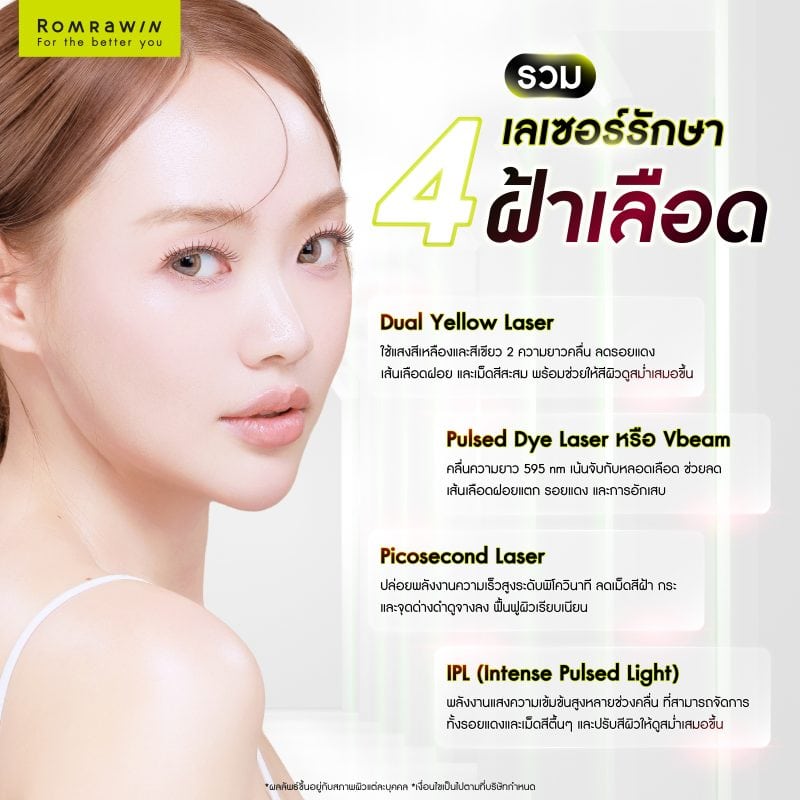
What are laser treatments for melasma? What types of lasers are available?
Dual Yellow Laser is a laser that uses two wavelengths: 578 nanometers (yellow light) and 511 nanometers (green light) to address both vascular and pigmentation issues while simultaneously stimulating collagen production beneath the skin. The yellow light helps reduce capillary abnormalities, redness, and skin inflammation, while the green light reduces melanin production, fades dark spots, and evens skin tone. It does not cause thick scabs or bruising, resulting in a shorter recovery time.
Who is Dual Yellow Laser suitable for?
Pulsed Dye Laser, or Vbeam, is a laser with a wavelength of 595 nanometers that can help reduce the dilation of capillaries and decrease redness under the skin. The laser energy targets abnormally dilated blood vessels, thus reducing redness, inflammation, and making visible capillaries less noticeable. Therefore, it is a popular laser used in conjunction with other treatments for melasma.
Who is Pulsed Dye Laser suitable for?
Picosecond lasers are lasers that emit high energy in picoseconds to break down melanin pigments into smaller particles. This helps reduce melasma, freckles, dark spots, and acne scars, while also stimulating collagen production for smoother skin. Although Picosecond lasers cannot directly treat capillary abnormalities, they can effectively reduce pigmentation associated with melasma.
Who is a picosecond laser suitable for?
IPL (Intense Pulsed Light) is a high-intensity light energy with multiple wavelengths. This energy targets pigment and capillaries, helping to reduce redness, minimize vascular abnormalities, and reduce excess pigment accumulation, resulting in a more even skin tone.
Who is IPL suitable for?
The results of laser treatment for melasma vary from person to person, depending on the type of melasma, the severity of the problem, skin condition, and response to treatment. A medical evaluation and treatment plan should be developed to select the most suitable technology for each individual's skin problem.
Sunscreen that protects against UVA and UVB rays, with an SPF of 30 or higher and PA+++ or PA++++, should be applied daily.
Avoid spending long periods in high-temperature environments such as saunas, steam rooms, hot tubs, or in front of a stove. Also, avoid strenuous exercise in extremely hot weather.
Choose skincare products that hydrate, strengthen the skin's protective barrier, and are gentle to help reduce inflammation and restore skin health. Avoid products containing alcohol, fragrance, or highly concentrated exfoliating acids, as these may irritate the skin and worsen melasma.
Avoid using products from unknown sources or those that are not manufactured to standard, as they may contain steroids or prohibited substances. These can thin the skin, weaken the skin barrier, and cause capillaries to dilate, resulting in darker and more difficult-to-treat melasma.
Maintaining good health helps the skin recover better, promotes stronger skin, and reduces factors that may trigger melasma. This includes eating foods rich in antioxidants, vitamins C and E, drinking enough water, getting adequate rest, and managing stress.

7 risky behaviors that unknowingly make blood spots darker.
Certain behaviors may increase the risk of melanin accumulation or cause capillaries to dilate, leading to the darkening of melasma without you realizing it. Even if melasma is treated and faded, neglecting self-care can trigger its recurrence. For example:
Adjusting daily lifestyle habits, combined with treatment and skincare as advised by your doctor, can help reduce the chances of melasma recurring or becoming darker, and also help the treatment results last longer.
FAQ: What are frequently asked questions about blood clots?
What are melasma (melasma caused by blood vessels)? How does it differ from sunspots?
Melasma cannot be completely cured, but it can be faded. However, there is a chance of recurrence, so treatment must be combined with avoiding triggers such as sunlight, heat, and irritating products.
The number of laser treatments for melasma depends on the severity of the melasma, the treatment method used, and the individual skin response. Changes will begin to be noticeable after several consecutive treatments. A doctor should assess and plan the treatment individually.
Melasma can recur or become darker, especially when exposed to triggers such as UV radiation, heat, hormonal changes, or skin irritation. Therefore, consistent sunscreen application and skin care are necessary after treatment.
Generally, melasma is harmless, caused by abnormalities in pigmentation and capillaries, resulting in dark patches on the face that may affect self-confidence. However, if the patches change rapidly, bleed, or become abnormally shaped, you should consult a doctor for further diagnosis.
Using creams to treat melasma alone may not be enough, because some creams may reduce pigmentation and improve skin condition, but melasma also involves abnormal capillaries, so laser or other procedures are often required in combination.
After laser treatment for melasma, it's crucial to avoid strong sunlight as much as possible, especially for the first 1 to 2 weeks. Always protect your skin before going out in the sun by applying sunscreen, wearing a hat, or using an umbrella to avoid direct sun exposure.
What are melasma? Melasma is a skin problem involving abnormalities in both pigmentation and capillaries under the skin. It often appears as dark patches that are red, pink, or reddish-brown. The main triggers are sun exposure, heat, hormones, and skin irritation. Effective treatment for melasma requires a method tailored to the skin condition, which may involve a combination of treatments under the supervision of a doctor. This may include medication, laser treatments, or skin rejuvenation, along with sun protection and avoidance of triggers, to help fade the melasma and restore smoother, more even skin tone.
*Results may vary depending on the individual. Consult a doctor before receiving this service.
*Conditions are as specified by the company.