



Applying sunscreen incorrectly can unknowingly worsen melasma. Many people believe that simply applying sunscreen in the morning is enough, but for skin with melasma, more protection is needed. This article will guide you on how to apply sunscreen correctly to help treat melasma, how to choose the right sunscreen for your skin type, identify risky behaviors that may darken melasma, and how to care for melasma-prone skin to keep it from darkening.
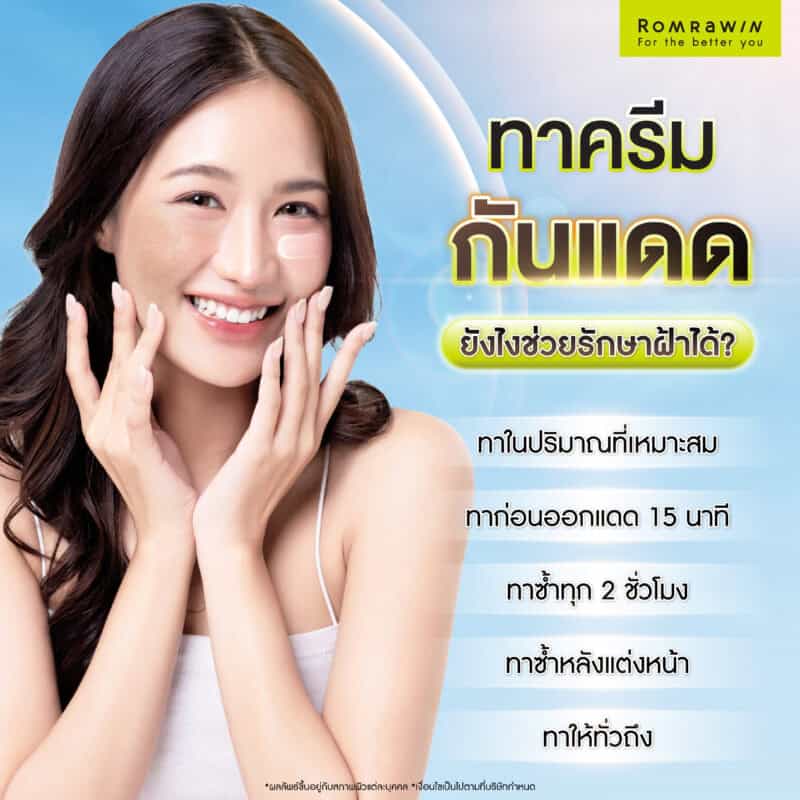
Knowing how to apply sunscreen properly can help treat melasma.
Why do my melasma still not disappear even though I apply sunscreen every day? Because sunlight is a major trigger for melasma, including UVA and UVB rays, as well as blue light. Knowing how to properly apply sunscreen can help treat melasma, reducing the chances of developing darker melasma or preventing its recurrence.
Apply a sufficient amount of sunscreen, about two fingertip-sized amounts, and spread it evenly over your face, neck, and any areas regularly exposed to the sun.
Sunscreen should be applied approximately 15 minutes before sun exposure or outdoor activities to allow it to set on the skin and maximize its sun protection effectiveness.
If you will be engaging in outdoor activities and exposed to sunlight for extended periods, reapply sunscreen approximately every two hours, especially if you sweat excessively or swim, as these activities can wash away sunscreen and reduce its effectiveness in protecting your skin.
For those who wear makeup regularly, choose a lightweight sunscreen that can be reapplied throughout the day without leaving a white cast. Apply it evenly to the entire face, or any areas exposed to sunlight.
Sunscreen should be applied thoroughly to the face, neck, and all areas exposed to sunlight to help prevent melasma from darkening and reduce the chance of melasma developing in other areas.
Even with regular sunscreen application, if used incorrectly, the skin may still be exposed to enough UV radiation to stimulate melanin production, resulting in sunspots becoming darker or more difficult to control. Mistakes to avoid include:
Because sunscreen cannot block all sun exposure, especially when outdoors for extended periods, other sun protection methods should be used in conjunction with sunscreen. These include avoiding direct sunlight, wearing a wide-brimmed hat, using an umbrella, or wearing sunglasses to reduce the amount of radiation reaching the skin and minimize factors that may cause melasma to worsen.
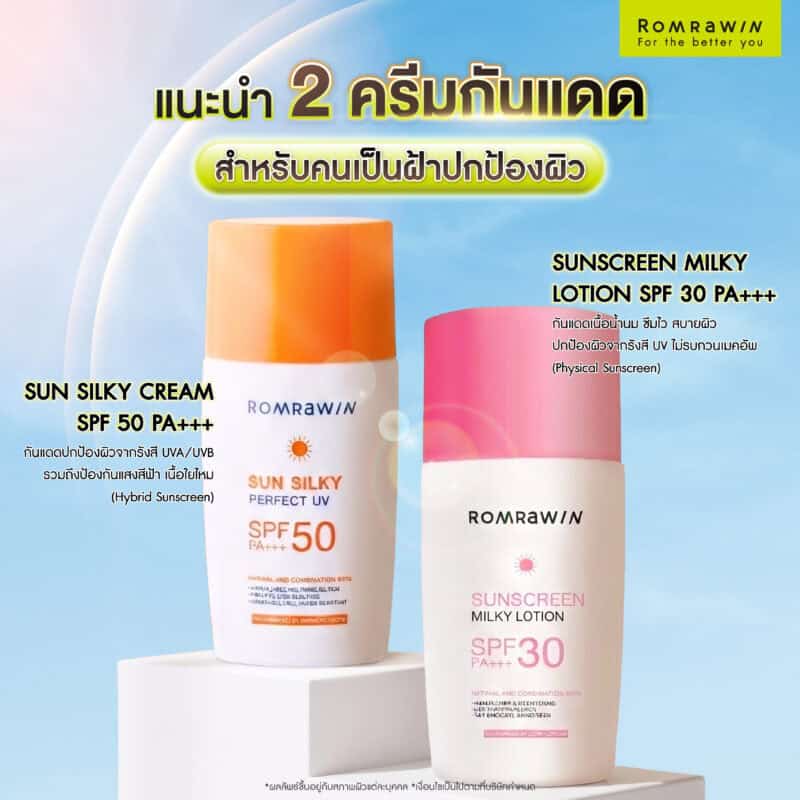
Introducing 2 sunscreens for people with melasma: protect your skin and don't fear the sun!
For those with melasma, daily sunscreen use is recommended. When choosing a sunscreen for melasma, several factors should be considered, including the type of sunscreen, its effectiveness in protecting the skin from UV rays, and its texture suitable for the skin type, as melasma-prone skin is more sensitive to light than normal.
This silky-textured hybrid sunscreen is lightweight, fast-absorbing, and comfortable on the skin. It protects against UVA and UVB rays, as well as blue light, making it ideal for daily use. It helps reduce light-induced factors that can trigger darkening of melasma and contains key ingredients like Melanin, which protects against blue light, prevents wrinkles, and acts as an antioxidant, strengthening the skin's protective barrier against deep sun damage.
This physical sunscreen has a lightweight, milky texture that absorbs quickly and doesn't interfere with makeup. It protects skin from UV rays and contains Vitamin E to help protect against free radicals and increase moisture, reducing dryness.
Applying sunscreen acts as a shield protecting the skin from sun damage, but restoring skin quality is a treatment to fade melasma and prevent its recurrence. Therefore, sunscreen alone may not be enough for melasma-prone skin; comprehensive skin care is necessary, as follows:
Sunscreen doesn't directly fade melasma, but it can help reduce factors that stimulate melanin production from UV radiation, a major factor in melasma darkening, and can also help improve the effectiveness of melasma treatment.
Both types of sunscreen can protect against UV rays if they have the appropriate SPF and PA values. It's also recommended to choose a sunscreen containing iron oxides to help block blue light (visible light), which can trigger melanin production in people with darker skin or those prone to freckles.
Melasma may be caused by improper sunscreen application, such as applying too little, not reapplying during the day, or by other triggering factors such as hormones, heat, genetics, and irritation. If melasma continues to darken, you should consult a doctor to assess the cause and plan appropriate treatment.
After laser treatment for melasma , choose a gentle sunscreen with SPF 50+ and PA++++ that protects against both UVA and UVB rays. Apply sunscreen daily, even indoors, and reapply every two hours. Also, wear a hat, use an umbrella, and avoid direct sunlight, as your skin may be more sensitive to sun exposure than usual.
Knowing how to apply sunscreen correctly can help treat melasma. It starts with choosing a sunscreen that protects against both UVA and UVB rays, as well as blue light. You should apply an adequate amount and reapply regularly, along with avoiding strong sunlight and treating melasma gently. This effectively helps reduce the formation of new melasma, prevents existing melasma from darkening, and minimizes the chance of recurrence. For those interested in sunscreen, please inquire at Romrawin Clinic.
*Results may vary depending on the individual. Consult a doctor before receiving this service.
*Conditions are as specified by the company.