


Fat is essential for the body because it is the primary energy source that helps various internal systems function in a balanced way. However, excessive accumulation can lead to localized fat deposits, causing body image issues and health problems. This article will explore what fat is, the causes of fat accumulation, and appropriate strategies for reducing localized fat for each individual, helping to boost self-confidence.
What is fat?
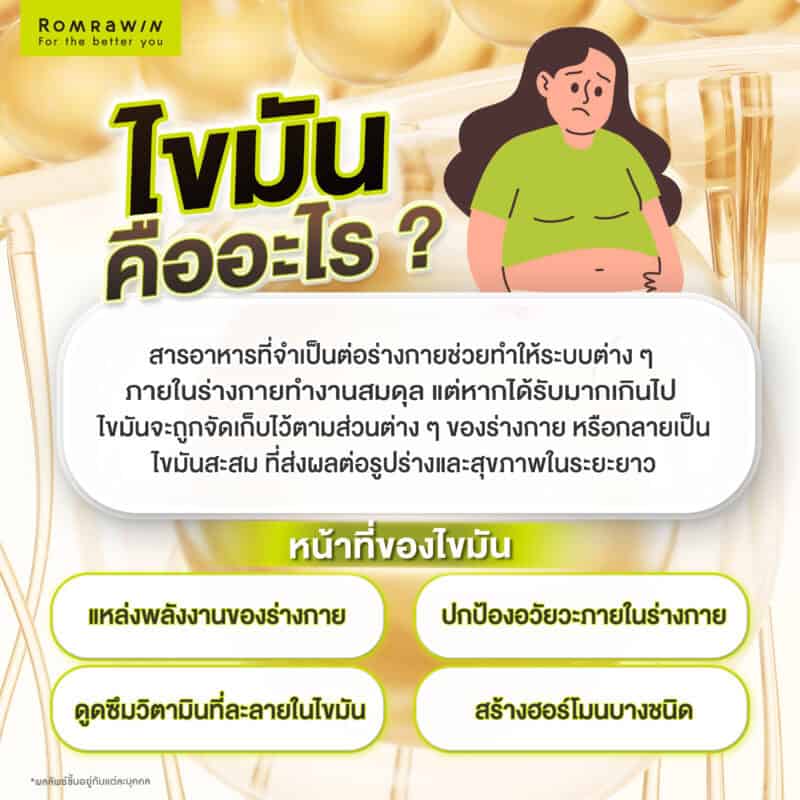
Fat is an essential nutrient that, when consumed in appropriate amounts, helps maintain balance in various bodily systems. It serves as a reserve energy source, regulates body temperature, and protects internal organs from impact during daily activities. Furthermore, fat aids in the absorption of fat-soluble vitamins such as A, D, E, and K, and plays a crucial role in the production of certain hormones.
However, if the body receives more fat than it needs, the excess fat will be stored in various parts of the body, such as the abdomen, upper arms, thighs, or underarms, also known as localized fat accumulation. Besides negatively affecting one's appearance, this can also have long-term health consequences.
Cholesterol is a type of fat essential to the body, serving as a key component of cell membranes, certain hormones, and fat-soluble vitamins. The body can produce cholesterol itself in the liver or obtain it from certain foods. However, too much cholesterol can lead to long-term health problems. Cholesterol can be divided into good and bad fats, each with different roles and effects on health, as follows:
Therefore, maintaining good health means choosing to consume good fats in appropriate amounts for your body and avoiding bad fats or trans fats. This helps maintain overall health and reduce the risk of cardiovascular disease.
How many types of fat are there? What is the difference between subcutaneous fat and visceral fat?
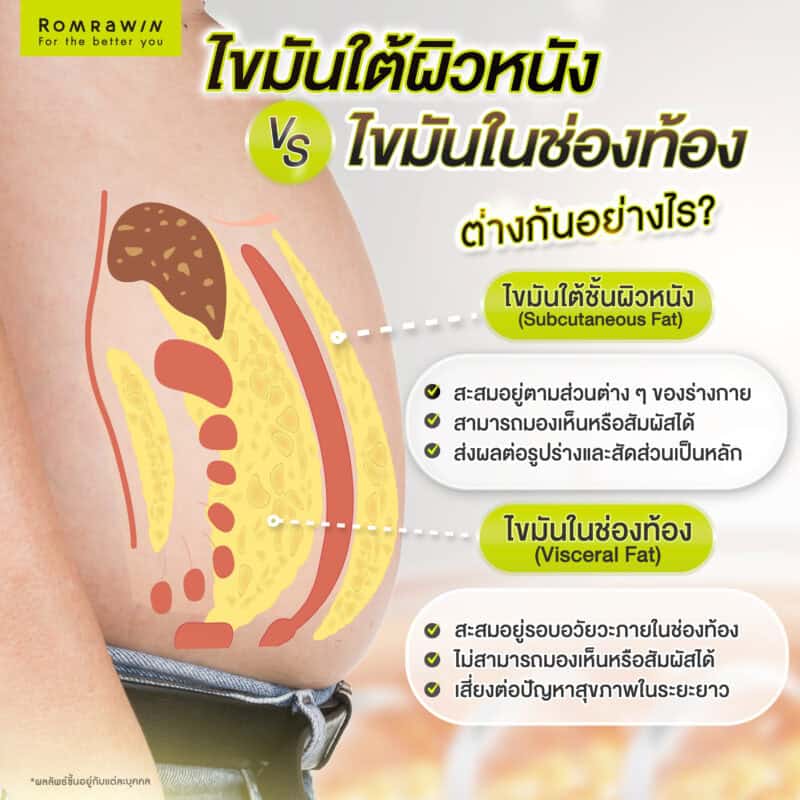
Body fat can be categorized into two types based on its location: subcutaneous fat and visceral fat. These two types of fat have different locations and impacts on health, as follows:
Therefore, managing body fat shouldn't focus solely on external appearance, but also on invisible fat like visceral fat. This helps in effectively reducing fat and maintaining overall health in the long term.

What causes fat accumulation?
Fat is a very high-energy source for the body. If the body receives more fat than it needs, it may not be able to burn it all off, resulting in excess fat being stored in various parts of the body, known as accumulated fat. This can affect body shape and health in the long term. Accumulated fat can result from several causes, including:
Daily habits directly affect body fat accumulation. For example, choosing high-energy foods, sedentary lifestyles, lack of exercise, insufficient rest, and accumulated stress can all impair the body's metabolism, leading to reduced fat burning and easier fat accumulation.
Regularly consuming high-energy foods such as fried foods, high-fat foods, high-sugar foods, or processed foods is a major cause of easy fat accumulation in the body. If you consume more calories per day than your body needs, the excess energy will be converted into fat and stored in various parts of the body, such as the abdomen, thighs, or upper arms.
Certain hormones, such as insulin, cortisol, sex hormones, stress hormones, and sleep deprivation, play a significant role in fat storage and metabolism. Hormonal imbalances can easily stimulate the body to store fat, particularly around the abdomen and waist.
As we age, it can be easier to accumulate fat because muscle mass gradually decreases and hormones function less efficiently, resulting in a slower metabolism. This can lead to the accumulation of excess fat, especially if eating habits and lifestyle remain the same.
Localized fat, or stubborn fat, is often more difficult to lose than overall weight loss because the body burns fat as a whole, not selectively in specific areas. However, by adjusting dietary habits, lifestyle, and exercising appropriately, it is possible to reduce this fat and achieve a more balanced physique.
Although fat plays an important role in the body, helping to protect internal organs, maintaining body temperature, and serving as a vital energy source, excessive fat accumulation can negatively impact health and physical appearance.
Excessive fat accumulation, especially visceral fat, can increase the risk of several chronic diseases such as diabetes, heart disease, high blood pressure, and dyslipidemia. It can also affect metabolism and hormonal balance, leading to impaired bodily functions.
Excessive fat accumulation, in addition to causing long-term health problems, can also affect body shape and self-confidence. Fat accumulating in various parts of the body can alter body shape, such as resulting in larger upper arms, thighs, or a protruding belly, leading to a lack of confidence in social situations and potentially impacting mental health as well.

How to lose fat without damaging your metabolism.
Effective fat reduction should prioritize physical health, focusing on a suitable approach, consistency, and avoiding overexertion. This ensures sustainable fat loss and long-term health benefits. Here are some appropriate methods for reducing accumulated fat:
To reduce accumulated body fat, start by adjusting your daily lifestyle habits. This includes avoiding snacking, getting enough sleep, reducing stress, being physically active, and avoiding prolonged periods of sitting. These changes will improve your metabolism and reduce the chances of fat accumulation.
Adjusting dietary habits can directly help reduce accumulated fat. Choose foods that are beneficial to the body, such as good protein, healthy natural fats, and high-fiber fruits and vegetables. Reduce foods high in sugar, trans fats, and processed foods. Eat appropriate portions that meet your daily needs to control your energy intake.
Regular exercise is another important factor that can help reduce accumulated fat. Exercise can stimulate metabolism to work more efficiently and also help various systems in the body function in a balanced way. Choosing a type of exercise you enjoy without overexerting yourself will help you exercise consistently in the long term and lead to effective fat loss.
For some people with stubborn fat or limitations in reducing fat through other methods, using fat-reducing technology can be an alternative to improve body shape. This technology is designed to target specific fat deposits and tighten the body, leading to faster results. However, it should be combined with lifestyle changes and overall health care for more consistent and effective results.
Nowadays, medical technology is considered an alternative that can help manage body shape and reduce accumulated fat without surgery and without affecting daily life. Some types of technology have been developed to help reduce excess fat while simultaneously stimulating metabolism, building muscle, firming the body, and improving skin. Popular non-surgical fat reduction treatments include:
Duo Slim Max is a fat reduction and body contouring technology that uses high-frequency monopolar RF radio waves in combination with ultrasound waves to stimulate collagen and elastin production in the skin. This results in firmer, tighter skin, while also reducing localized fat deposits, tightening body contours, and reducing cellulite—all without surgery.
Oligio Body is a localized fat reduction treatment that uses high-frequency monopolar RF radio waves to deliver energy to the dermis and fat layers at a frequency of 6.78 MHz. This stimulates collagen production beneath the skin, resulting in firmer skin and targeted fat reduction in various areas, all without surgery and with a short recovery time.
Fit Shape Body uses Capacitive Resistive Monopolar Radiofrequency (CRMRF) energy at a frequency of 448 kHz to help regenerate deep tissue, reduce localized fat and visceral fat, while stimulating collagen and elastin production and improving blood circulation. It's a technology that can help care for the body from head to toe.
Fix Lift Body is a technology for targeted fat reduction that uses high-frequency radio waves (Monopolar RF) to stimulate collagen and elastin production under the skin, while simultaneously reducing accumulated fat, resulting in a slimmer figure, smoother skin, and firmer skin.
CoolSculpting is a technology for reducing localized fat deposits using cryolipolysis. It employs sub-freezing temperatures to permanently freeze and kill fat cells, which are then eliminated through the body's natural waste removal processes. This helps reduce localized fat and improve body shape without surgery and with a short recovery time.
Body Firm is a technology that uses high-intensity electromagnetic waves (HIFEM) to continuously stimulate deep muscle contractions. This helps build muscle mass while simultaneously reducing accumulated fat. It's popular for creating six-pack abs, toning the body, and strengthening various parts of the body such as the abdomen, hips, arms, and thighs, all without surgery.
Fat reduction technologies: Which areas can they reduce fat in?
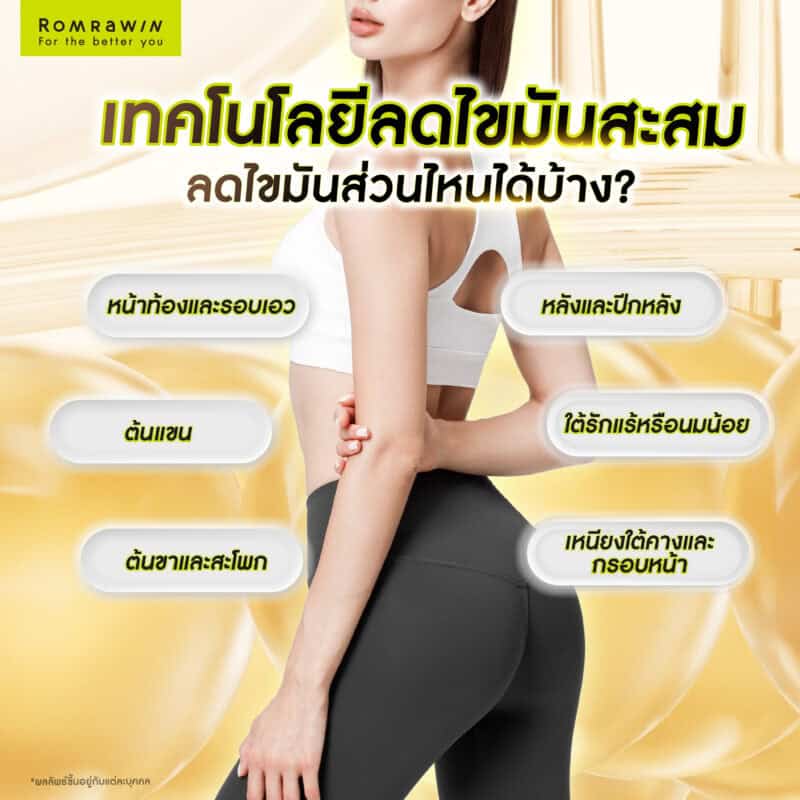
Non-surgical fat reduction technology is designed to help reduce localized fat deposits or stubborn fat that is difficult to lose. This fat reduction technology can help reduce fat in several areas of the body, including:
The abdomen or waist is an area where fat often accumulates, especially lower abdominal fat or "love handles," and the area around the waist. Fat reduction technologies can help to flatten the abdominal area and create a more defined figure.
The upper arms are one area of the body where fat tends to accumulate, leading to large and sagging arms, which can cause a lack of confidence when wearing sleeveless tops. Fat reduction technology can help decrease upper arm fat and tighten the arms, making them smaller.
The thighs and hips, especially the inner and outer thighs, are areas where the body easily accumulates fat and is difficult to lose, particularly in women. This can lead to problems such as large thighs, thigh chafing, and cellulite. Fat reduction technology can help to slim the legs, reduce cellulite, tighten the skin, and create a more balanced proportion in the thigh and hip area.
Fat on the back, or "love handles," can become more visible when wearing tight clothing or bras, causing many people to lack confidence in their appearance. Fat reduction technology can help to minimize the appearance of love handles and tighten the skin.
Underarm fat, or small underarm lumps, are a problem that can affect any body type. They often appear when wearing tight-fitting clothing, becoming visible as stubborn bumps under the armpits. Fat reduction technology can help to minimize the appearance of underarm fat, boosting self-confidence.
Double chin and jawline fat are accumulations of fat in the facial area, making the jawline appear undefined and creating a double chin. Fat reduction technology can help reduce double chin, making the face look smaller and creating a more defined jawline.
Non-surgical fat reduction technology is an option for those seeking a way to manage their body shape without a long recovery period and without undergoing surgery. Non-surgical fat reduction technology is suitable for the following individuals:
However, the use of fat reduction technology should be combined with lifestyle changes in various aspects, and the results vary from person to person.
Although non-surgical fat reduction technologies can help reduce fat and tighten body contours without harming the body, they may not be suitable for everyone. Some technologies have limitations or precautions. The groups that may not be suitable for fat reduction technologies include:
Understanding the limitations and suitability of fat reduction technologies will help you choose a body shaping approach that is more appropriate for each individual. Therefore, it is advisable to consult a doctor before undergoing any treatment. Furthermore, fat reduction technologies should be combined with lifestyle changes, and results vary from person to person.
Excess fat can accumulate in the body and lead to various problems, including long-term health issues. Localized fat deposits can alter body shape and potentially impair self-confidence. Effective fat reduction can be achieved through various methods, such as natural fat reduction or the use of assistive technologies like non-surgical fat reduction, which can enhance body contouring. Those interested in reducing accumulated fat can inquire at any Romrawin Clinic branch.
*Results may vary depending on the individual. Consult a doctor before receiving this service.
*Conditions are as specified by the company.