




Break the cycle of recurring acne with the right treatment. Acne not only affects skin but also impacts self-confidence. Even with the best self-care, acne can sometimes worsen, becoming chronic and leaving behind dark spots or acne scars that are difficult to treat. This article will introduce you to acne doctors, the causes of acne, popular acne treatment methods, tips on choosing a clinic, and showcase the acne treatment program at Romrawin Clinic. This program, under the Doctor Coaching Session concept, focuses on sustainable skin care to restore skin health and balance in the long term.

Who is a dermatologist? What types of acne problems can they help treat?
Acne isn't just a natural part of adolescence; it's a skin problem that can occur at any age and can affect both self-confidence and skin quality in the long run. Treating acne with a dermatologist or skin specialist is therefore crucial in analyzing the causes of acne and planning a personalized skincare regimen to help reduce the chances of scarring and future skin problems.
An acne doctor is a physician with knowledge and experience in treating acne and other skin diseases. Their responsibilities include diagnosing the cause of acne, planning treatment, and providing personalized skin care advice for various types of acne, including clogged pores, inflammatory acne, hormonal acne, chronic acne, as well as acne scars, pitted scars, and other skin problems affected by acne.
Acne doctors don't just treat acne; they can also assess other skin problems, including the likelihood of redness, dark spots, and acne scars, in order to design a treatment plan tailored to each individual's skin condition.
Self-care or using acne treatment products may help reduce acne in some cases, but using products unsuitable for your skin type can cause irritation or worsen inflammation. Acne treatment by a dermatologist therefore focuses on a detailed analysis of the causes of acne, including hormonal imbalances, lifestyle habits, skincare practices, and internal bodily factors, in order to create a personalized treatment plan.
In addition, dermatologists can assess the long-term outlook for skin problems and recommend proper skincare methods to help reduce the chances of acne scarring and restore healthy skin.
What is a Doctor Coaching Session?
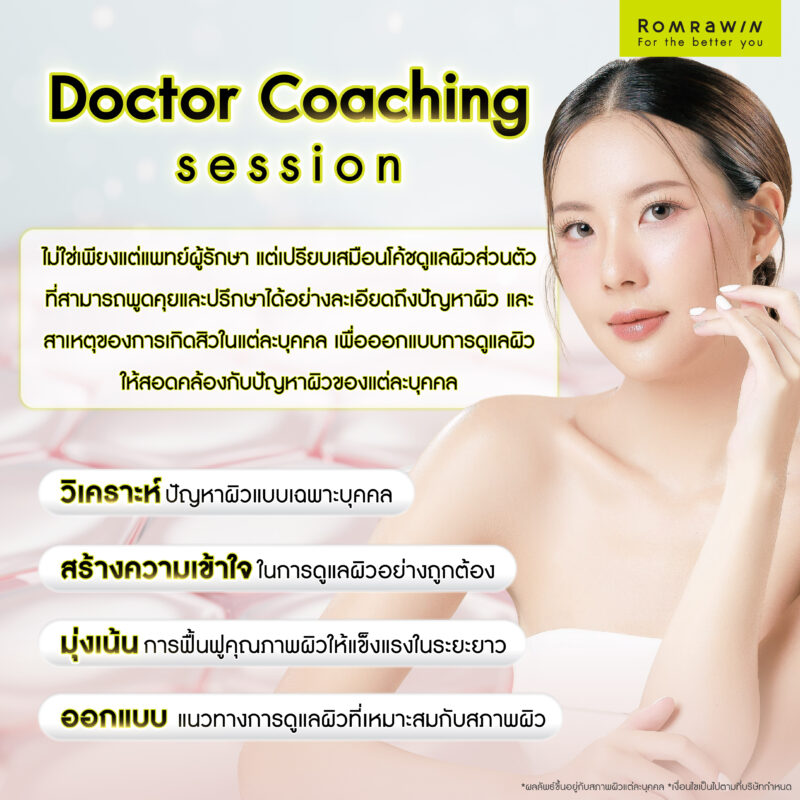
Because we understand that everyone's acne problems are different and complex, a one-size-fits-all approach to treatment is not necessary. Therefore , a Doctor Coaching Session is not just about a doctor, but also about having a personal skin care coach. Patients can discuss their skin problems and the causes of their acne in detail with the doctor, in order to design a personalized skincare plan tailored to their individual needs.
Each patient will receive a personalized skin analysis and a well-designed skincare plan tailored to their skin type. This aims to foster proper skin literacy and focus on restoring healthy, long-term skin health, tailored to each individual.
Romrawin believes that good skincare is not just about reducing acne problems in the short term, but about restoring skin balance and revitalizing it for long-term health. This is based on the concept of "The Better Longevity of Skin Quality," which focuses on continuous skin quality care to help the skin better cope with various triggers.
In addition to in-clinic care, Romrawin also emphasizes continuous at-home skincare through doctor-developed skincare products. This is like having a personal skin coach providing daily care. Product selection is tailored to individual skin conditions and concerns at different times, ensuring proper and consistent care and helping to maintain long-lasting results.
*Results may vary depending on individual skin conditions. Consult a doctor before undergoing this procedure.

What acne treatment programs does Romrawin Clinic offer?
Romrawin Clinic offers acne treatment programs designed to help manage acne problems and continuously restore skin quality. Each AC CLEAR program combines multiple skin care steps to suit the type of acne and skin condition of each individual, under the assessment and care of an acne specialist.
The AC CLEAR program is an acne treatment program focused on managing acne problems and continuously restoring skin balance. It includes both in-clinic and at-home care to ensure ongoing skin maintenance and promote a more balanced complexion. The program consists of five treatment steps:
The AC CLEAR II program is an acne treatment program that combines multiple skin care steps into one program. It focuses on treating clogged pores and inflamed acne, while simultaneously restoring skin quality and balancing the skin for a healthier appearance. The program includes:
This program helps manage acne problems while restoring skin balance for a healthier appearance. The treatment approach will depend on each individual's skin condition and doctor's assessment.
The AC CLEAR III program is an acne treatment program that combines multiple skincare steps to comprehensively manage acne problems, reduce clogged pores, and restore skin quality in the long term. The program includes:
The specific skincare program will depend on a doctor's assessment of each individual's skin condition, acne problems, and suitability.
Acne can be caused by many factors, both internal and lifestyle habits. The causes of acne can vary from person to person. Understanding the root causes of acne can therefore lead to more effective treatment.
A dermatologist will analyze the type of acne, lifestyle habits, and skin condition of each individual to help assess factors that may trigger acne and develop an appropriate skin care plan.
Hormones are a major cause of acne, which can occur at various ages, from adolescence to adulthood, or during periods of hormonal changes. These changes can trigger the body to produce more oil, leading to clogged pores and acne. Hormonal acne is often found along the jawline, chin, and jawline, and may recur at the same times, such as before menstruation.
Certain daily lifestyle habits can unknowingly trigger or worsen acne, such as:
These are all behaviors that can irritate the skin or cause increased oil buildup, leading to clogged pores and making the skin more prone to acne breakouts.
What types of acne problems warrant seeing a dermatologist?
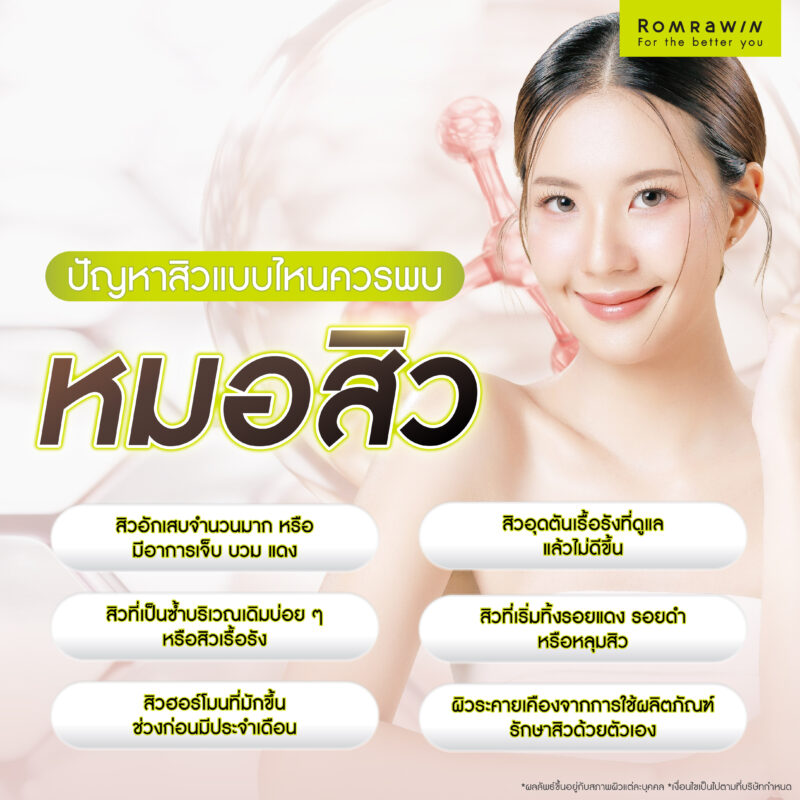
While some types of acne can be managed with self-care, if you find that acne is becoming more severe or recurring in the same spot for an extended period, you should seek evaluation from a doctor. Acne problems that warrant a visit to an dermatologist include:
Seeking help from a dermatologist for acne treatment in its early stages can help reduce the chances of scarring and allow for more effective skin care.
Understanding the different types of acne can help you plan appropriate treatment, as each type has different characteristics and causes. These include:
Clogged pores appear as small bumps under the skin, which may be whiteheads or blackheads. They are caused by the blockage of oil and dead skin cells in the pores. If not properly treated, they can develop into inflamed acne.
Inflammatory acne is characterized by swelling, redness, or tenderness to the touch. It results from inflammation within the hair follicles and may leave red or dark marks more easily than other types of acne.
Hormonal acne is a type of acne caused by changes in the levels of certain hormones in the body, which causes the skin to produce more oil than normal. It often occurs around the jawline, chin, and skin edges, and tends to recur in the same locations.
Assessing the type of acne can help create a more targeted skincare plan and reduce the chances of acne scarring or long-term skin problems.
There are many approaches to acne treatment today. Doctors will consider the type of acne, the severity of the problem, and the individual's skin condition to create an appropriate care plan, as each type of acne requires different treatment. Several acne treatment methods are commonly used by dermatologists and can be combined, such as:
Pimple extraction is a popular method for reducing clogged pores, especially for those with many closed or open comedones. Extracting pimples helps reduce blockage within the pores and decreases the chance of inflammation from self-squeezing, which can lead to dark spots, redness, or acne scars in the future.
Topical and oral acne medications are another common approach doctors use to manage acne problems. The choice of medication depends on the type of acne and individual skin condition. These can help manage clogged pores, reduce excess oil, and promote proper skin cell turnover. However, medication use should always be under the guidance of a doctor.
Laser technology for acne treatment and scar reduction can help address acne scar problems, including redness, dark spots, and acne pits. It also helps restore skin to a smoother appearance, and some technologies may even help reduce excess oil and manage inflammatory acne.
Acne injections are a method that dermatologists may consider using in cases of large, inflamed pimples or those that are clearly red, swollen, and painful. This helps reduce inflammation and promotes faster healing of the pimple, while also minimizing the chance of scarring.
The results depend on each individual's skin condition. It is recommended to consult a doctor before treatment to assess the type and severity of acne and your skin condition, as different types of acne may require different treatment approaches.
Romrawin Clinic's acne treatment program is designed under the concept of Doctor Coaching Session, where the doctor is not just a treater, but a personal skin care coach. This focuses on individual skin care, not only treating existing acne, but also analyzing the root causes of skin problems and developing a continuous skin care plan to help restore skin quality in the long term.
Many types of acne begin with clogged pores. Acne treatment programs therefore include care to reduce the accumulation of oil, dirt, and dead skin cells that can cause blockages, helping to reduce the chances of future breakouts.
Excess oil and skin inflammation are major factors that can easily cause acne to recur. Acne treatment programs therefore focus on restoring skin balance and reducing triggers that may cause inflammation. A doctor will analyze your skin condition and lifestyle habits.
In addition to acne treatment, the program focuses on restoring skin quality in the long term, based on the concept of "The Better Longevity of Skin Quality," which aims to restore skin balance and strengthen the skin, helping to reduce acne breakouts in the long run.
Doctor Coaching Sessions don't end in the clinic; they also emphasize continued at-home skincare to support long-term results. A doctor will help plan your skincare routine, recommending products suitable for your skin type and development at each stage – like having a personal skin coach providing ongoing daily care.
Treating acne with a dermatologist not only helps manage acne problems and reduce the chance of acne scarring, but also analyzes the root cause of skin problems, plans appropriate treatment, and helps restore skin quality in the long term. The advantages of treating acne with a dermatologist include:
Acne treatment with an dermatologist focuses on a thorough skin assessment to identify the root cause of acne, as it can stem from various factors including hormones, stress, lifestyle habits, product choices, and individual skin type. The doctor will also analyze the specific type of acne, such as clogged pores, inflammatory acne, or hormonal acne, to develop a more appropriate skincare plan and reduce the likelihood of recurrence.
After acne clears, another concern for many is redness, dark spots, and acne scars, which can affect skin smoothness in the long term. Seeking treatment from an acne specialist while acne is still inflamed can help reduce the chances of severe inflammation and discourage the habit of squeezing or picking at pimples, a major cause of acne scars and pits. Furthermore, doctors can recommend skin rejuvenation strategies to help manage acne scars and restore smoother skin.
Because everyone's skin is different—oily, dry, or sensitive—acne treatment shouldn't be the same for everyone. A dermatologist will help create a personalized skincare plan tailored to each individual's skin type and problems, whether it's treating clogged pores, inflammatory acne, acne scars, or restoring overall skin quality. A well-planned and consistent skincare regimen helps strengthen the skin and reduce acne breakouts in the long term.

Frequently asked questions about acne doctors.
Acne is a common concern, and many people have questions about skincare, treatment duration, and recurrence. Understanding acne and proper skincare can help you plan a better long-term skincare routine.
Although some types of acne can be treated at home, leaving them untreated for too long can lead to scarring, redness, or acne pits.
Starting skincare in the early stages can help reduce the chances of long-term skin problems and allow the skin to regenerate effectively.
The duration of acne treatment depends on several factors, such as the type of acne, the severity of the problem, skin condition, and individual skincare practices. In some cases, acne may begin to improve within a few weeks, but for those with chronic or long-standing acne, continued treatment may be necessary to help restore skin balance and reduce the likelihood of recurrence.
After acne treatment, the skin may be in a recovery phase. Therefore, it's crucial to prioritize proper skincare to minimize irritation and promote stronger, healthier skin. This includes gentle cleansing, avoiding squeezing or picking at pimples, choosing products suitable for your skin type, applying sunscreen regularly, getting enough rest, and reducing stress. Consistent skincare can help reduce the likelihood of recurring acne and promote more balanced skin in the long run.
Acne scars, dark spots, or pitted scars can all affect skin smoothness in the long term. A dermatologist can assess the characteristics of the scars and skin quality to choose the appropriate treatment plan, such as treating post-acne dark spots, skin rejuvenation, or treating pitted scars based on the depth of the problem.
Acne can recur if the same triggers remain, such as hormones, stress, lifestyle habits, or using unsuitable skincare products. However, proper and consistent skincare, along with a treatment plan developed in collaboration with a doctor, can reduce the chances of recurrence and promote stronger skin in the long run. Furthermore, understanding your skin type and choosing appropriate skincare methods is another crucial factor in supporting healthy skin in the future.
Acne specialists play a crucial role in analyzing the causes of acne, planning skincare treatments, and selecting appropriate treatment approaches for each individual's skin condition, whether it's clogged pores, inflammatory acne, or hormonal acne. They also help reduce the chances of acne scarring and long-term skin problems.
Romrawin Clinic utilizes the Doctor Coaching Session concept in its skincare approach, focusing on individual skin problem analysis and developing a continuous skincare plan both in-clinic and at home. This is based on the concept of "The Better Longevity of Skin Quality," emphasizing the restoration of healthy, balanced, and radiant skin in the long term. Importantly, acne treatment and treatment strategies should be evaluated by a physician to ensure they are tailored to each individual's skin problems and condition.
*Results may vary depending on the individual. Consult a doctor before receiving this service.
*Conditions are as specified by the company.