



Why is adult acne so persistent? It may be because you're not treating it correctly. Adult acne is often caused by hormones, stress, and poor skincare habits and lifestyle. Improper care can lead to recurring acne in affected areas and increased scarring. This article will explore the causes and types of adult acne and how to care for your skin to reduce the chances of recurring acne in the long term.
Adult acne refers to acne that occurs in and beyond adulthood, even after adolescence. Adult acne is often associated with several factors, including hormones, stress, insufficient sleep, and skincare habits and lifestyle, all of which can trigger clogged pores and inflammation.
Adult acne, or acne in working-age individuals, often recurs in the same areas, such as the chin, jawline, or cheeks, and sometimes takes longer to heal than teenage acne. It's also more prone to redness, dark spots, or acne scars if not properly cared for.
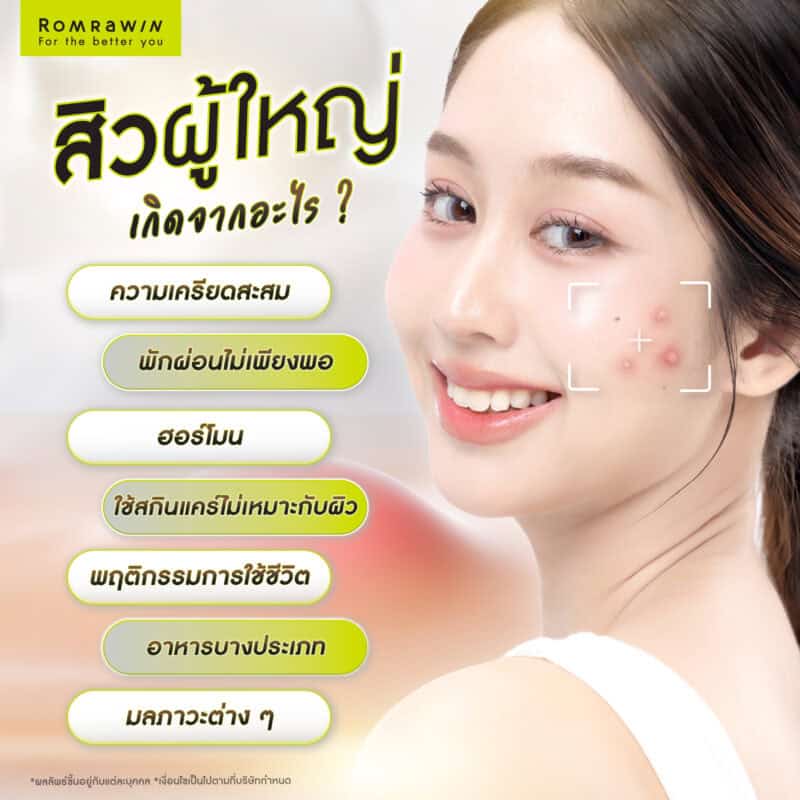
What causes adult acne?
Adult acne can be caused by a combination of factors, both internal and external environmental, that can trigger blockage and inflammation of hair follicles. Common causes include:
Adult acne is caused by the accumulation of oil, dead skin cells, and dirt within pores, forming small bumps under the skin. These comedones are divided into whiteheads and blackheads, commonly found on the forehead, nose, and chin, and can develop into inflammatory acne.
Chronic inflammatory acne typically appears as red, swollen bumps or pustules and often recurs in the same areas, such as the chin, jawline, or cheeks. Chronic acne can be triggered by various factors, including hormones, stress, and skin irritation. It is also prone to leaving acne scars and pitted scars.
Hormonal acne in adults is often caused by changes in hormone levels in the body, especially in women before menstruation, or in those who do not get enough sleep and have accumulated stress. This can cause hormonal imbalances, resulting in hormonal acne. The acne typically appears as deep, inflamed pimples under the skin, and usually occurs on the chin, jawline, or along the face.
Acne breakouts typically appear as small bumps scattered on the skin. They may be caused by sweat, heat, pollution, or irritation from unsuitable products, especially in those with sensitive or easily irritated skin.
Milia are small, white or skin-colored bumps that appear as tiny, firm nodules resembling grains of rice, located under the skin. They are usually painless and non-inflamed. They are commonly found around the eyes, under the eyes, on the cheeks, or on the forehead.
Milia are typically small, raised bumps that are white, yellow, or the same color as the skin, relatively firm, and not inflamed. They are caused by a disorder of the sweat glands or an accumulation of dead skin cells beneath the skin's surface. They are commonly found around the eyes, under the eyes, on the cheeks, or on the cheekbones.

How should adults care for their skin when they have acne?
Adult acne skincare should focus on reducing clogged pores, controlling oil production, and restoring skin health simultaneously. Improper care can lead to recurring acne and increase the likelihood of acne scarring. Here's how to care for your skin:
Choose skincare products that hydrate, are gentle, won't clog pores, and are suitable for your skin type. Avoid products containing oil, fragrance, or ingredients that may cause irritation.
You should gently wash your face twice a day. Proper cleansing can help reduce clogged pores, control oil production, and prevent new breakouts. Avoid washing your face too often, as this can dry out your skin and cause it to produce even more oil.
You should avoid touching your face, picking at or squeezing pimples, or allowing sweat and dirt to accumulate on your skin for extended periods.
Restoring healthy, acne-prone skin requires lifestyle adjustments, including eating a healthy diet, getting enough sleep, drinking plenty of water, and reducing stress. Healthy skin helps reduce the likelihood of acne and acne scars in the long run.
Avoid using multiple skincare products unnecessarily at the same time, or using strong-acting products, as this can irritate and weaken the skin, and may trigger a recurrence of adult acne.
If acne recurs or doesn't improve with treatment, consult a doctor for a personalized acne treatment plan or Doctor Coaching Session. This will help you understand the causes of your acne and choose the most suitable skincare approach. The doctor will assess and analyze the causes of your acne and create a treatment plan tailored to your individual skin condition and lifestyle.
While some types of adult acne can be managed at home, if acne becomes severe or recurs frequently in the same areas, you should consult a doctor to assess your skin condition and develop a treatment plan tailored to the problem, thereby reducing the chance of long-term scarring.
If you have persistent acne that doesn't improve or keeps recurring, you should consult a dermatologist to assess the cause and choose a treatment plan suitable for your individual skin type.
Adult acne can be caused by various factors, including hormones, stress, using unsuitable skincare products, and daily habits. Skin care should focus on controlling oil production, reducing clogged pores, preventing new breakouts, and restoring skin health while minimizing acne scars. If acne recurs or acne scars begin to appear, consult a doctor to develop a personalized skincare plan.
For those looking for an adult acne treatment clinic that offers personalized care, Doctor Coaching Sessions , and ongoing skin care planning both in-clinic and at home, please inquire at Romrawin Clinic.
*Results may vary depending on individual skin conditions. Consult a doctor before undergoing this procedure.
*Conditions are as specified by the company.