




Acne scars are marks that often form after acne has healed. They are common in people who have experienced inflammatory acne or acne that has been picked, squeezed, or scratched, causing damage to collagen and underlying skin tissue. This results in the skin in that area collapsing, becoming a deep furrow or noticeable pit, which can affect a person's self-confidence.
What are some of the causes of acne scars?
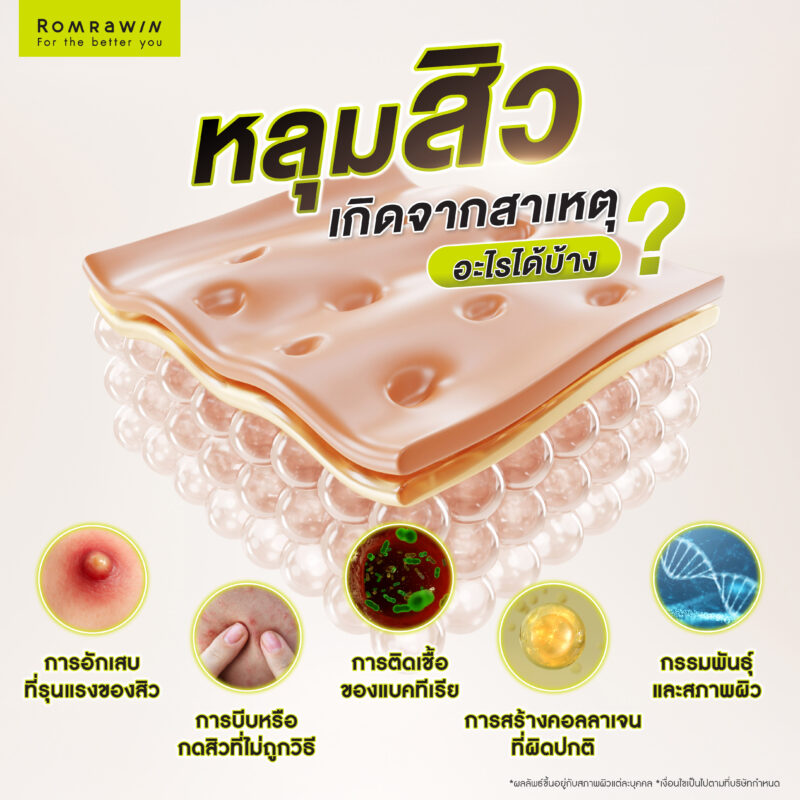
Acne scars can result from several factors, but most often they are caused by the inflammatory process of acne that damages the skin's structure, preventing complete skin repair. This results in skin that, even after recovery, is not as smooth as before. The main causes of acne scars are as follows:
Inflammatory acne often triggers damage to the outer layer of skin and the collagen structure in the dermis. Sometimes, severe inflammatory acne can penetrate deep enough to damage a wide area of tissue. Even after the acne heals, the body cannot completely repair the skin, resulting in deep scars or acne pits that are often clearly visible.
Improper or excessive squeezing of pimples, combined with the use of unclean tools, can cause pimples to rupture deeper, leading to increased inflammation and damage to surrounding tissue. This can slow down the healing process of acne scars and leave more noticeable pitted scars.
Hair follicles that accumulate bacteria can cause acne inflammation to spread deeper into the skin layers. Even after the acne heals, this may prevent the skin from repairing completely, resulting in acne scars.
After acne breakouts, the body may not produce enough collagen, leading to uneven skin repair and the formation of pitted scars or acne pits.
Genetics plays a significant role in the response to inflammation and repair. Some individuals with genetically predisposed skin structures are more prone to scarring, while those with thin or oily skin may be at higher risk of developing acne scars during severe inflammatory acne breakouts.
Acne scars are often caused by severe inflammatory acne and abnormal skin repair, as well as improper pimple squeezing techniques. Proper skin care and treatment of inflammatory acne can help reduce the chances of developing acne scars.
How many types of acne scars are there?
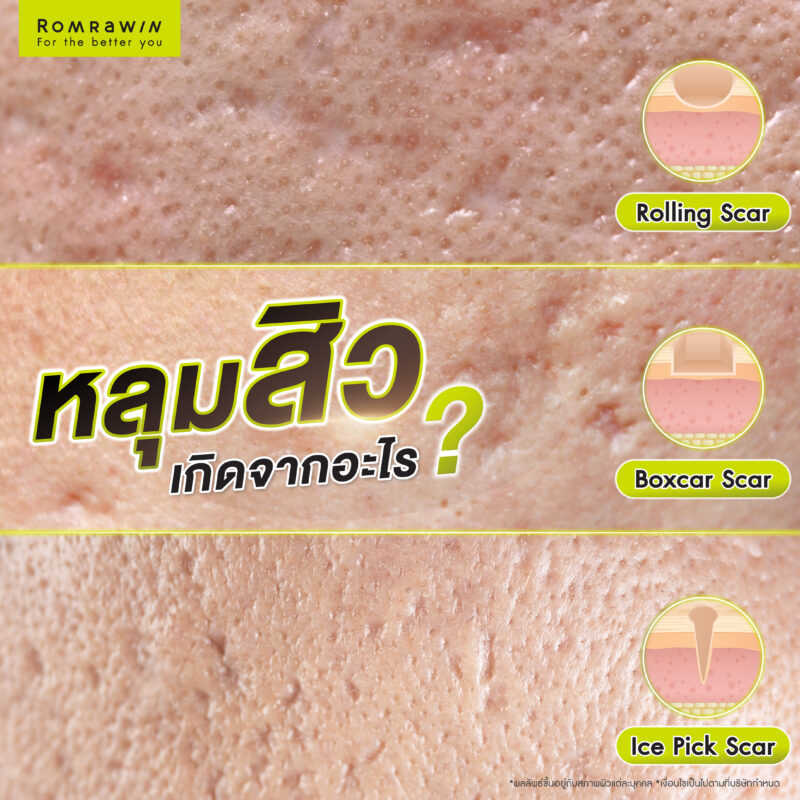
Acne scars can be categorized into several types, each with its own unique characteristics. Understanding each type of acne scar helps in choosing the most appropriate treatment. Acne scars can be broadly divided into three main types:
Ice pick scars are a common type of acne scar that often extends deep into the dermis. They are caused by severe inflammation from acne, especially pustules or pustules that damage the deeper layers of the skin. Treating ice pick scars is therefore more challenging than treating other types of acne scars.
Characteristics of Ice Pick Scars.
Treatment guidelines for Ice Pick Scars.
Ice pick scars are deep, so treatment may require multiple procedures and a combination of methods to achieve effective results.
Boxcar scars are another common type of acne scar. They are often caused by inflammation that damages a large area of tissue, especially when the inflammation is severe or recurring. This destroys collagen beneath the skin, preventing it from regenerating and repairing normally.
Characteristics of Boxcar Scars (acne scars).
Treatment guidelines for boxcar scars.
Boxcar scars can respond effectively to treatment with a combination of methods, and multiple treatments may be required.
Rolling scars typically result from extensive, severe acne breakouts. After the inflammation subsides, the body creates scar tissue under the skin to repair it. This pulling and stretching of the skin creates wavy, indented scars, resulting in uneven and bumpy skin texture.
Characteristics of Rolling Scar acne pits.
Treatment guidelines for rolling acne scars.
Rolling scars often require multiple treatments and a combination of techniques to achieve smoother skin and visible results.
Acne scars cannot heal on their own because they are scars resulting from incomplete skin repair after inflammation. The depth of acne scars can vary over time. Some shallow scars may fade slightly with skin cell turnover and new collagen production, but deep scars usually require medical treatment to help the skin regain its smoothness.

Reasons why you should treat acne scars.
Acne scars are a skin problem that affects the inner structure of the skin, causing loss of elasticity and leading to permanent scarring if left untreated. In addition, treating acne scars can help restore the skin to a smoother appearance. The main reasons why you should treat acne scars are as follows:
1. Treating acne scars helps reduce the risk of permanent scarring.
If acne scars are left untreated, the scar tissue can become stronger, denser, and pull on the skin, causing a loss of elasticity. This makes subsequent treatment more difficult and time-consuming, and the chances of restoring the skin to its original smooth state may be significantly reduced.
2. Treating acne scars helps restore skin structure.
Various surgical procedures for treating acne scars can stimulate the production of new collagen, resulting in shallower scars and stronger skin.
3. Treating acne scars can boost self-confidence and self-image.
Acne scars can lead to a lack of confidence in many people. Treatment for acne scars helps reduce their depth, resulting in smoother, more even skin. This, in turn, boosts confidence in one's appearance and daily life.
4. Treating acne scars helps prevent skin aging.
Acne scar treatment helps the skin receive proper care, reducing the chance of deeper or wider pitting, slowing down the appearance of wrinkles and sagging, keeping the skin youthful, and reducing skin deterioration.
5. Treating acne scars helps restore overall skin health.
Acne scar treatment allows the skin to receive proper healing and care, resulting in smoother, more hydrated, and overall healthier skin.
Acne scar treatment helps restore skin condition, effectively boosting confidence, appearance, and overall skin health.

Six popular methods for treating acne scars.
There are several methods for treating acne scars, including surgical procedures and medications. The choice of treatment depends on the type of scar, its depth, and skin condition. Popular acne scar treatments include the following:
1. Treat acne scars with laser.
Laser treatment for acne scars is a very popular method because it effectively stimulates new collagen production and helps to smooth the skin. There are many types of lasers used for treating acne scars, such as Fractional CO2 Laser or Erbium Laser.
Advantages of treating acne scars with laser.
Laser treatment for acne scars is suitable for...
For these reasons, laser treatment for acne scars has become a very popular choice.
2. Treat acne scars with Subcision.
Subcision is a procedure to treat acne scars where a doctor uses a blunt-tipped needle to insert under the skin and cut the fibrous bands that hold the skin in place. This causes the scars to gradually become shallower and stimulates the production of new collagen to repair the skin.
The advantages of treating acne scars with Subcision.
Subcision treatment for acne scars is suitable for...
Subcision is an effective treatment option for acne scars caused by fibrosis and for restoring smoother skin.
3. Treat acne scars with filler injections.
Treating acne scars with filler injections is a procedure that uses dermal fillers to smooth the skin surface, blend it with the surrounding skin, and increase skin hydration, resulting in plumper, healthier-looking skin.
The advantages of treating acne scars with filler injections.
Treating acne scars with filler injections is suitable for...
Filler injections are a option that can help rejuvenate the skin and boost confidence in a short period of time, but it should be done by a doctor to avoid risks and achieve effective results.
4. Treat acne scars with microneedling.
Microneedling is a procedure that uses numerous tiny needles to puncture the superficial layers of the skin, creating small wounds that stimulate the body to repair the skin by producing new collagen and elastin.
The advantages of treating acne scars with microneedling.
Microneedling treatment for acne scars is suitable for...
Microneedling is another safe and effective method for treating acne scars.
6. Treat acne scars with topical medication.
Topical treatments for acne scars involve using medical products to stimulate skin cell turnover, reduce melanin production, and promote collagen production in the skin layers. However, this should always be done under the supervision of a doctor.
The advantages of treating acne scars with topical medication.
Topical medications are suitable for treating acne scars.
Topical medications for acne scars are a primary option for improving skin texture and reducing the severity of scars. However, they should always be used under the supervision of a doctor to avoid potential harm.
The treatment time for acne scars can vary from person to person depending on several factors, including the severity of the scars, the type of scars, skin condition, and the chosen treatment method. Individuals also respond differently to treatment. However, generally, it takes several months to see results from acne scar treatment, typically around 3-6 months, with gradual improvement with continued treatment.
To determine the precise treatment duration for acne scars tailored to your individual needs, consult your doctor. This will allow the doctor to plan and assess the appropriate treatment time.

How to care for your skin while treating acne scars.
Proper skin care during acne scar treatment is crucial for a smoother treatment process and to minimize the risk of side effects. Here's how to easily care for your skin during treatment:
During acne scar treatment, it's important to protect your skin from sun exposure, as sunlight can trigger inflammation and weaken the skin.
During acne scar treatment, choose products that are free of alcohol, fragrance, or potentially irritating ingredients to prevent skin allergies or inflammation.
During acne scar treatment, avoid picking or squeezing pimples, as this increases the risk of scarring and infection during treatment, potentially worsening the skin condition.
During acne scar treatment, it's important to keep your skin adequately moisturized to help the skin repair process work better.
There are many ways to treat acne scars. Regardless of the treatment method you choose, you should strictly follow your doctor's instructions to achieve effective results, avoid harm, and prevent unwanted side effects.
During acne scar treatment, it's important to maintain good overall health. Get enough rest, eat nutritious food, drink plenty of water, and avoid risky behaviors to help promote better skin regeneration.
Proper skin care during acne scar treatment will help strengthen the skin, improve treatment results, and reduce the risk of scarring.
Acne scars are often caused by severe inflammation of acne that damages collagen beneath the skin. If not treated properly, the skin cannot repair itself completely, resulting in indented or pitted scars. Here are some ways to prevent acne scars:
Acne scars are a common skin concern, affecting self-confidence and appearance. Generally, acne scars result from severe acne inflammation that damages collagen and skin structure. When the skin doesn't repair itself completely, it leaves deep indentations or pits on the face. Acne scars can be categorized into several types, each requiring different treatment.
Acne scars are a treatable problem, but it requires consistency and choosing the right method for each individual's skin type. Therefore, it's essential to consult a doctor to assess your skin and select the most suitable treatment for effective and safe results.