


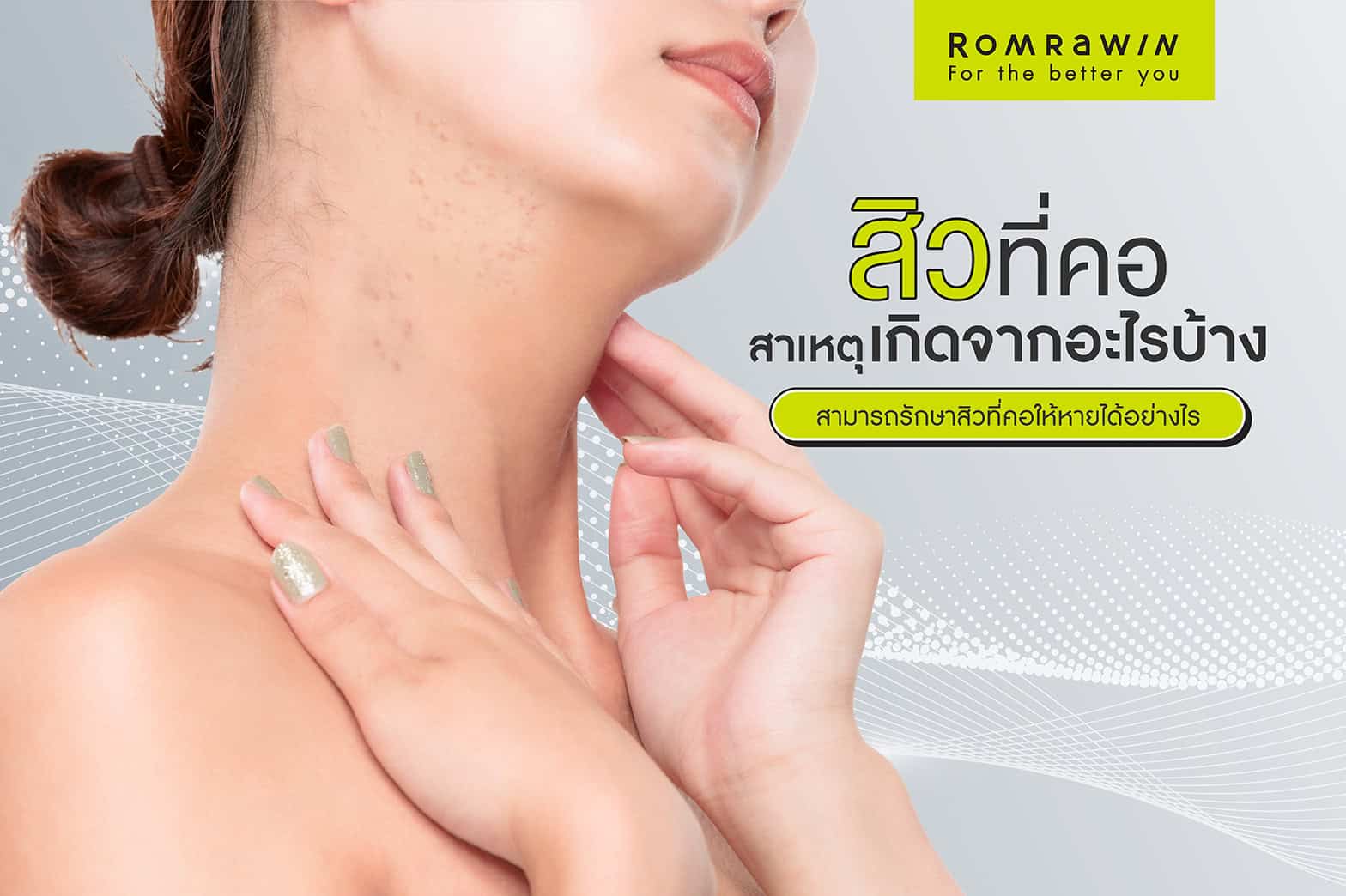
Acne most commonly appears on the face, but it can also appear on other areas of the body. The neck is one area where various types of acne, including pustules, non-inflammatory acne , and other types, often appear, which can be uncomfortable to look at or touch. Even after neck acne clears up, it can leave scars. However, neck acne can be treated and prevented if you understand it properly.
When you see acne on your neck, you might wonder what causes it. Acne in that area is caused by the sebaceous glands in the neck producing too much oil, which traps dirt, dead skin cells, and bacteria, clogging the pores and eventually leading to acne. Furthermore, inflammation can occur if there are triggers such as bacterial growth or irritation.
As is well known, neck acne is caused by clogged pores in the neck area. However, there are several factors that can trigger neck acne. These factors include:
During adolescence, menstruation, or pregnancy, hormone levels fluctuate more easily than usual. These hormonal changes can cause hormonal acne on the neck.
When you feel stressed, anxious, or uneasy, your body produces cortisol. When combined with androgens, or male hormones, already present in the body, this can trigger acne on the neck.
Even though we clean our bodies regularly, we might sometimes overlook our necks, or rush to clean them because we think they're not very dirty. However, the neck is actually one of the areas where sweat and dirt accumulate a lot. Therefore, if you don't clean it properly, this buildup of dirt can lead to acne on the neck.
Some body cleansing products, such as soaps, shampoos, and facial cleansers, contain irritating ingredients or have a pH level that is not suitable for the skin, which can cause irritation. Furthermore, some cleansing products contain ingredients that clog pores, leading to acne breakouts on the neck or face.
Wearing clothes that are too tight or made of stiff fabric can chafe your skin and cause acne on your neck. Similarly, wearing thick, non-breathable fabrics can create a damp, stuffy environment when you sweat, leading to clogged pores and acne on your neck or back.
Wearing jewelry such as necklaces or scarves can rub against the skin of the neck, causing acne. Similarly, wearing a face mask can cause the skin under the mask to become damp, and the mask itself can rub against the skin of the neck, leading to acne on the chin or mask-induced acne.
Dietary habits are also a factor that can trigger acne on the neck. Regularly consuming foods high in fat, cholesterol, or sugar can cause the sebaceous glands to produce more oil, clogging the pores and eventually leading to acne bumps on the neck.
There are several types of acne on the neck, including clogged pores, inflammatory acne, and other kinds. Each type of neck acne has different characteristics and symptoms, as follows:
Comedones are non-inflammatory acne caused by the blockage of dead skin cells, resulting in raised bumps and an uneven, bumpy skin texture. Comedones on the neck are further divided into two subtypes: closed comedones and open comedones.
Closed comedones, also known as whiteheads , are clogged pores located under the skin. They appear as small, raised bumps that are white, cream-colored, or may blend in with the skin. This type of acne is more difficult to treat than open comedones. If left untreated, these comedones can become infected, causing them to enlarge and turn into inflamed acne.
Open comedones, also known as blackheads , are small, hard, black bumps that appear as clogged pores. These blackheads are caused by blockages such as sebum and dead skin cells coming into contact with oxygen outside the skin, leading to oxidation.
Inflammatory acne (Papulopustular acne) is a type of acne that appears as red, swollen bumps, ranging in size from small to large. They are slightly painful when pressed. Inflammatory acne is caused by whiteheads that are irritated by various factors, such as bacteria, lifestyle habits, and hormones, leading to inflammation in the skin layers.
A pustule is a type of inflamed acne. It appears as a red bump with a yellowish-white pus center. Pustules on the neck can range in size from small to large. They are slightly tender to the touch and may be itchy. They are caused by clogged pores being irritated by picking or scratching.
Acne aestivalis/Acne mallorca is a condition characterized by small, skin-toned bumps that may appear as a breakout, but are not acne. These bumps are not caused by clogged pores but by sun exposure and fungal infections that stimulate the sebaceous glands, leading to the formation of tiny bumps.
Nodulocystic acne is a type of severe inflammatory acne characterized by large, red, swollen bumps filled with pus. They are very painful when pressed and are caused by several factors, including hormones, sebum, and others, as well as bacteria such as P. acne and C. acne , which stimulate blockages leading to the formation of acne on the neck.
Currently, there are many ways to treat acne on the neck. The most popular methods are as follows:
Taking acne medication is one method used to treat relatively severe acne. Oral medications include antibiotics, vitamin A derivatives, and hormone-regulating drugs to help alleviate acne symptoms. However, oral medication should only be used under a doctor's supervision for safety reasons.
Topical acne treatments for the neck are a popular method because neck acne is often not severe. These creams help reduce inflammation, remove dead skin cells to lessen clogged pores, and stimulate new cell growth for smoother skin.
Topical medications for neck acne are categorized according to the severity of the acne. For example, Azelaic acid and Adapalene are used to treat mild to moderate chronic acne , while Retinoid and Benzoyl Peroxide are used to treat moderate to severe neck acne with inflammation.
Treating neck acne with injections is often used in cases of severe neck acne to alleviate symptoms such as swelling, redness, pain, and pus. Steroids are used to reduce inflammation. However, steroids have side effects such as skin thinning, indentation at the injection site, and steroid dependence. Therefore, this treatment should only be administered by an experienced physician.
Laser treatment for neck acne is a method that uses various types of lasers, such as Pico Laser , CO2 laser, and others, to remove clogged pores, eliminate bacteria that cause acne, and effectively address redness and dark marks from acne.
Using skincare products is one way to treat neck acne. Choose products containing various acidic ingredients such as AHA, BHA, LHA, and PHA. Each type has its own strengths in helping to reduce neck acne, as follows:
To achieve the desired results when treating neck acne and to prevent recurrence of acne on the neck, forehead, cheeks , or other areas, please follow these recommendations.
Although acne on the neck can be treated and prevent recurrence, it may leave behind acne scars that require time to heal. In this case, you can use the services of Romrawin Clinic, which has dermatologists who can treat acne and remove remaining scars from neck acne treatment, such as with laser treatment, to restore your neck skin to a smooth and beautiful appearance.