




Every time you look in the mirror, you often see pimples on your chin, which is really frustrating. But have you ever wondered what causes chin acne? If you're currently struggling with chin acne, don't miss this article! Romrawin will reveal everything about chin acne, from its causes and how to deal with it to its prevention. Anyone currently dealing with chin acne will definitely love this article!
Chin acne is a type of acne that includes comedones and inflammatory acne. It typically occurs on the chin and along the jawline. When touched, it feels like a raised bump, and you can feel the presence of a pimple head inside. This is considered a skin condition or acne (Acne Vulgaris). Chin acne has various causes, but is most often related to hormonal changes, skin irritation, and clogged pores.
Acne on the chin can be caused by a variety of factors, but the most common causes are as follows:
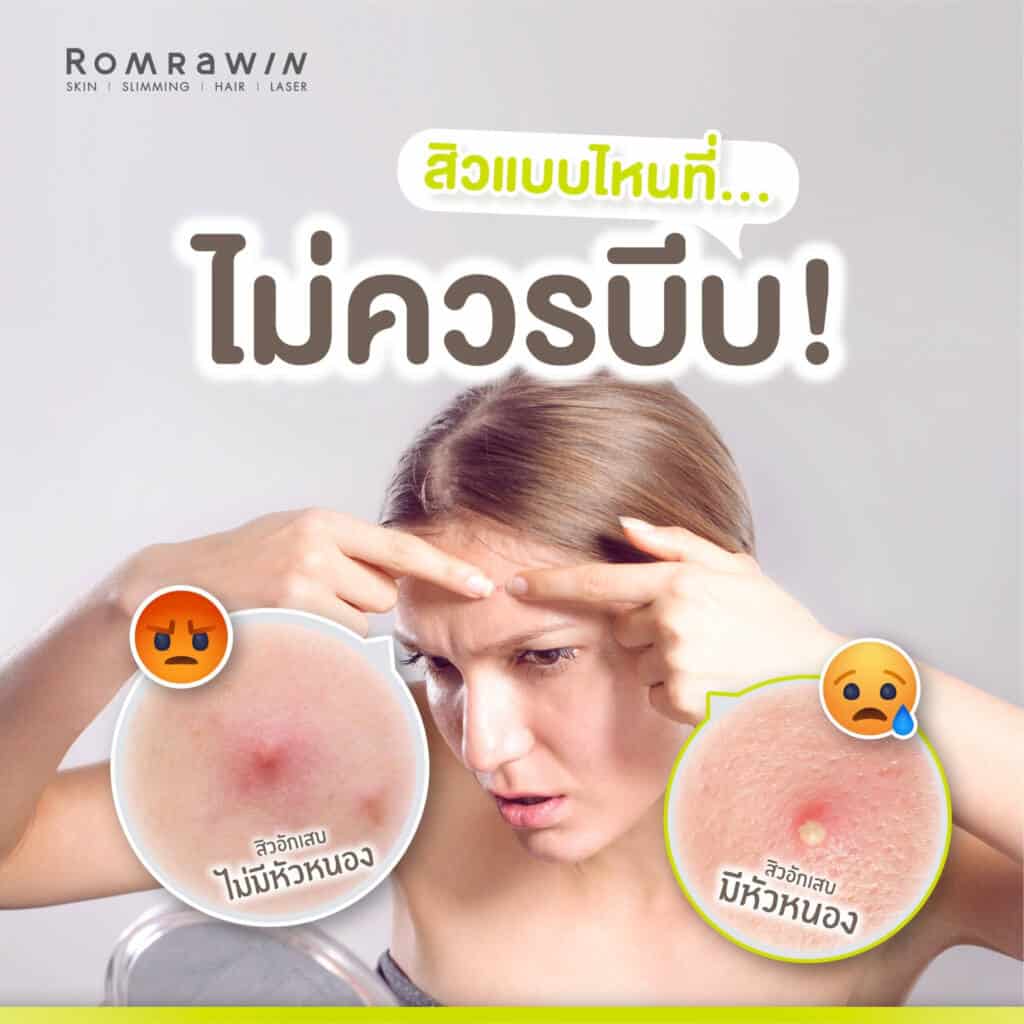
Have you ever noticed that there are different types of acne on the chin? Today, Romrawin will introduce you to the different types of chin acne, their characteristics, and how to deal with them, as follows:
Inflamed acne on the chin is caused by clogged pores that become inflamed due to dirt, germs, and bacteria entering the hair follicles. Inflamed acne appears as raised, swollen, red bumps with pus inside. It will feel painful and tender to the touch.
Clogged pores on the chin are a type of acne caused by the blockage of sebum combined with dead skin cells, resulting in hard, raised bumps that feel rough to the touch. Clogged pores can be divided into open comedones and closed comedones. If left untreated, chin clogged pores can become inflamed and develop into inflammatory acne in the future.
Acne without a head, particularly on the chin, is a type of acne where the head isn't visible to the naked eye. It appears as small, red bumps and is a form of inflammatory acne. It can be caused by various factors, including clogged pores (excess oil and dirt), stress, lack of sleep, hormonal changes, or even the use of birth control pills. This type of chin acne should not be picked, squeezed, or pressed, as this will only worsen the inflammation.
Besides chin acne, there are other skin problems that present very similarly. Let's check to see if your symptoms are due to other skin issues.
Blackheads on the chin are caused by similar factors to acne under the chin: clogged pores from sebum or dirt. Additionally, they may be caused by allergic reactions to everyday products such as toothpaste, mouthwash, shaving cream, and shampoo.
Ingrown hairs on the chin often occur in men when shaving incorrectly, such as pressing too hard, using a dull razor, or shaving against the direction of hair growth. This can cause irritation, inflammation, and lead to acne on the chin or around the mouth. This is more common in men with curly hair than straight hair.
Chin allergy is a skin inflammation different from acne under the chin. It's caused by fungal or bacterial inflammation in the hair follicles, affecting a wider area of skin. It can occur both under the chin and around the mouth. It appears as an allergic rash or red bumps that resemble acne but aren't, and may be itchy. Chin allergy can be treated with various topical medications.
Folliculitis on the chin is caused by a bacterial or fungal infection of the hair follicles. It can occur anywhere on the body with hair follicles, including under the chin. It appears as red bumps or pus-filled nodules with a hair in the center, similar to pimples but without blockage, which can lead to confusion with chin acne. Chin folliculitis can usually heal on its own with proper hygiene.
Chin acne is not only caused by clogged pores due to dirt, but also by other internal factors. These include consuming spicy foods, dairy products, irregular eating habits that can disrupt the stomach and small intestines, and hormonal changes.
Furthermore, acne on the chin can indicate the early signs of various diseases, such as endocrine disorders that cause hormonal imbalances, Polycystic ovarian Syndrome (PCOS), a uterine abnormality that causes women to have higher than normal levels of male hormones, and Congenital adrenal hyperplasia (CAH), a condition that causes hormonal imbalances from the adrenal glands, which can also lead to acne on the chin.
If you let acne on your chin heal on its own, will it disappear? Actually, chin acne can heal on its own, but it will take a considerable amount of time. However, leaving chin acne untreated for a long time will inevitably lead to acne scars, resulting in rough, indented skin that is clearly visible and uneven. This will then require further treatment such as dermabrasion, scar tissue removal, or laser treatment for acne scars.
If chin acne is not severe or numerous, it can be treated at home. Here's how to treat chin acne yourself:
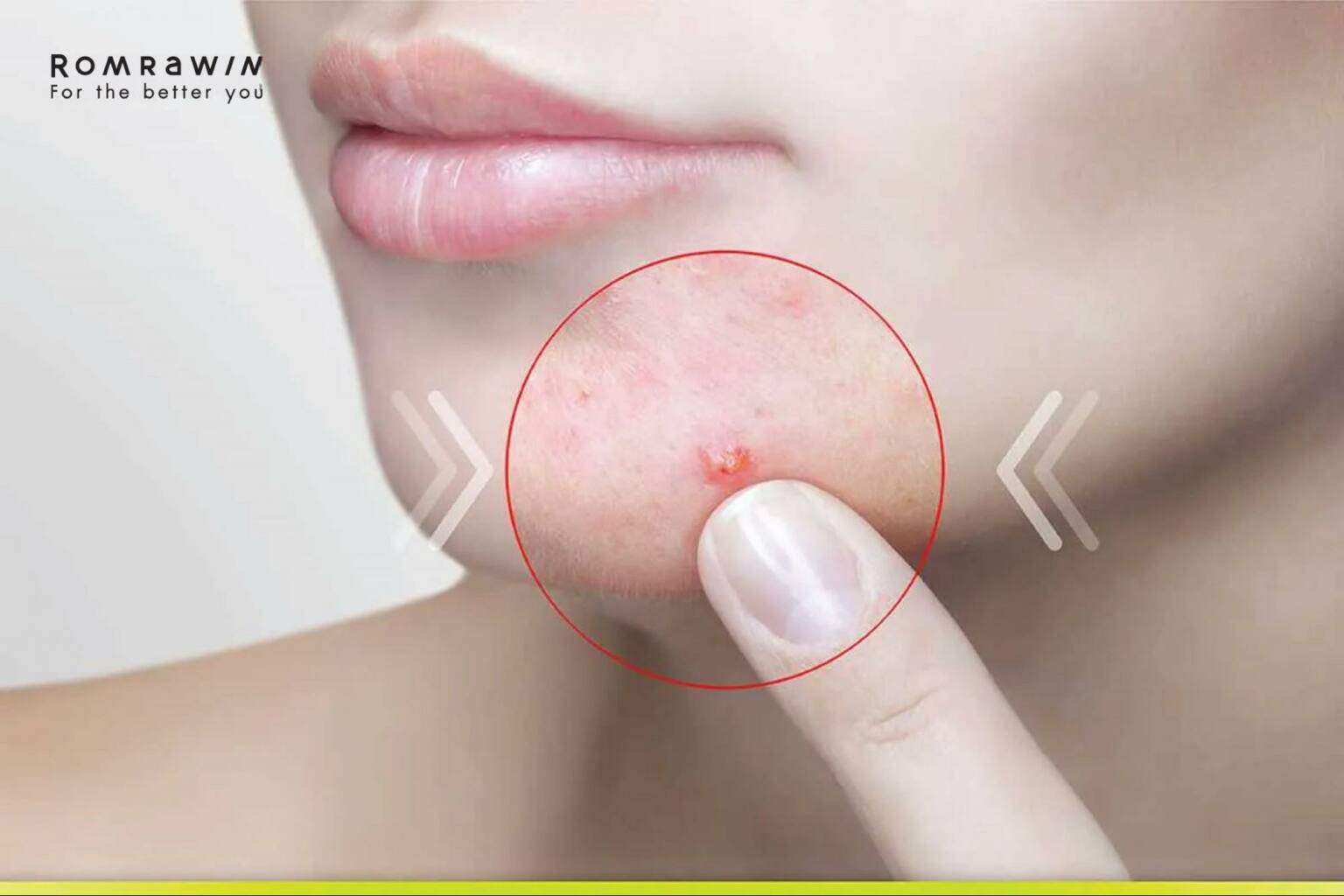
Sometimes, certain types of chin acne shouldn't be ignored, as they may be a warning sign that it's time to see a doctor. Anyone experiencing the following types of chin acne should not ignore them or try to treat them themselves.
If you have acne on your chin like the following, you shouldn't leave it untreated, as it may worsen. More importantly, neglecting acne can lead to scarring, especially dark spots and more severe acne pits. Therefore, if you have acne on your chin like this, it's recommended to see a dermatologist to diagnose the cause and receive appropriate treatment.
If you have acne on your chin and are treating it yourself, but notice that the severity of the acne is becoming unusually high, you may need to consult a specialist instead. This will help identify the root cause of the acne and treat it effectively. Here are some methods for treating chin acne with a dermatologist:
Treating chin acne with medication is suitable for those with a large number of acne breakouts or severe inflammatory acne. There are two types of acne medications for the chin:
In addition, birth control pills can also be used to help regulate hormones and reduce acne on the chin in women. However, you should always consult a doctor before using any type of medication.
Topical medications are a basic treatment for chin acne and can treat both clogged pores and inflammatory acne. There are two types of topical acne medications available for the chin:
Before using topical acne medication on your chin, always consult a doctor or pharmacist and read the instructions for use to ensure safety and the best possible results in treating chin acne.
Pimple extraction is a form of acne treatment for the chin, particularly for clogged pores. It involves using a needle to open the pore, then gently using a tool to extract the pore head. Importantly, pimple extraction should be performed by a qualified professional to prevent subsequent inflammation. The advantages of this method include faster removal of clogged pores and reduced risk of future acne breakouts.
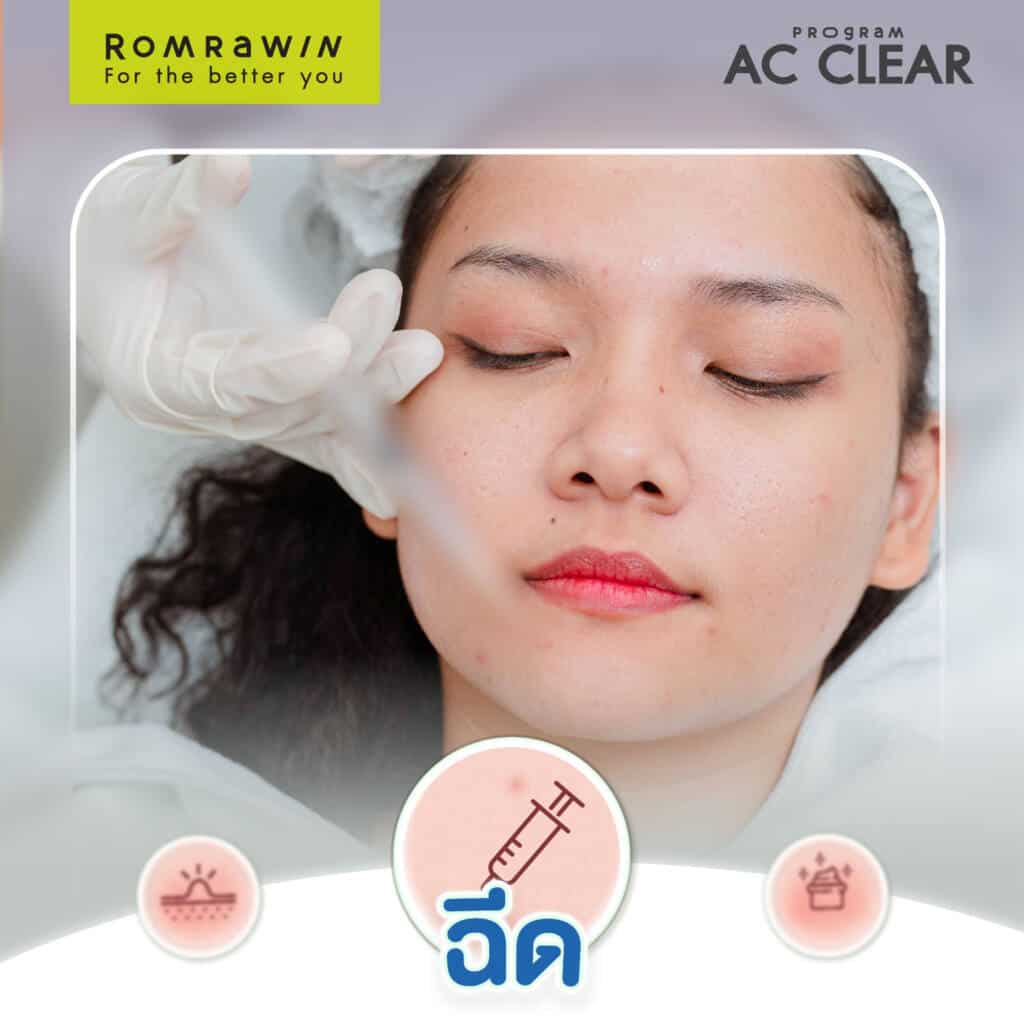
Acne injections involve injecting cortisone or a corticosteroid such as triamcinolone into inflamed acne lesions to inhibit and break the inflammatory cycle. This works on acne such as pustules and inflamed pimples. The injection helps the injected area subside more quickly and also reduces the chance of future acne scarring.
Facial treatments help to moisturize the skin, especially acne-prone skin which becomes weakened and dry from using various acne medications. Treatments are therefore a good way to treat chin acne, restoring moisture, strengthening the skin, soothing inflammation, and reducing irritation.
Dermal injections can also help treat acne on the chin because the substances in the injections contain ingredients that help rejuvenate the skin, making it stronger, more hydrated, brighter, and reducing inflammation. These include hyaluronic acid, collagen, various vitamins, and others. Examples of popular dermal injections used to treat acne include mesotherapy, Chanel injections , or Rejuran injections.
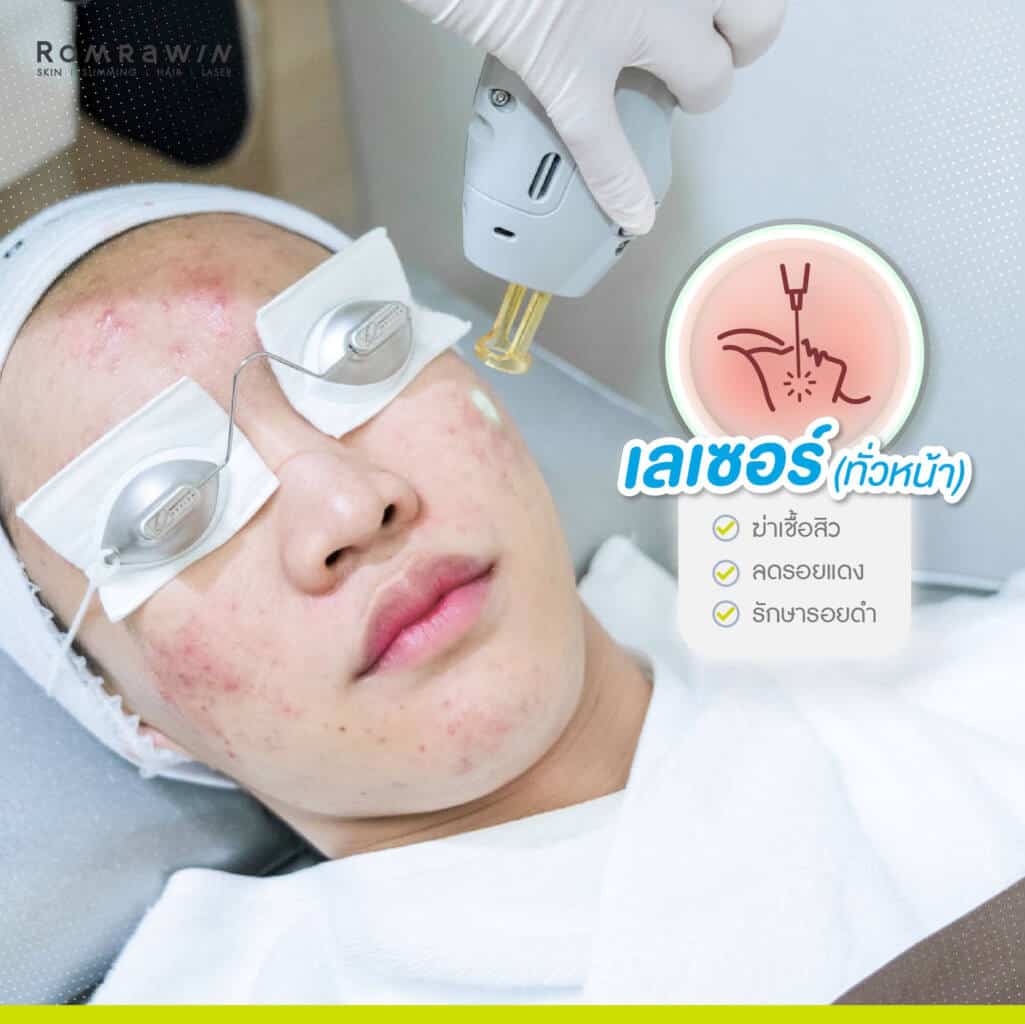
Certain types of skin lasers not only rejuvenate damaged skin and stimulate new skin cell growth, but also help reduce acne by removing clogged pores and killing bacteria that cause acne. Therefore, laser treatment is an effective acne treatment. Laser treatments that effectively treat clogged pores, inflammatory acne, and acne problems on the chin include Dual Yellow and CO2 Laser, among others.
Who doesn't want acne on their chin? Try following these easy acne prevention tips to reduce your chances of getting chin acne:
It's common for acne on the chin to leave behind dark spots, which can be quite worrying because treatment takes time. For those struggling with acne scars, Romrawin has some tips for treating them on the chin. Let's take a look!
Treating acne scars on the chin with skincare products containing Vitamin C is a popular method because Vitamin C is an antioxidant and anti-inflammatory ingredient that can help fade dark spots, redness, and acne marks on the chin. Importantly, using skincare products with Vitamin C also helps brighten the skin.
Skincare products containing Vitamin A, or retinoids, are an essential ingredient. Vitamin A helps exfoliate skin cells and reduce the appearance of acne scars. Beyond treating acne marks, using Vitamin A-rich skincare products offers other benefits, such as reducing wrinkles and promoting smoother skin.
To reduce the time it takes to treat acne scars on the chin and speed up the fading of dark spots, another tip that Romrawin Clinic recommends is skin brightening injections. Skin brightening injections contain ingredients that help rejuvenate the skin from within. By being injected directly into the dermis, they can effectively address skin problems, especially acne scars and dark spots. In addition, they help strengthen the skin and improve its smoothness. Examples of skin brightening injections that help fade acne scars include mesotherapy and Rejuran injections.
The final and most effective method to reduce acne scars on the chin, and significantly fade them, is laser treatment. Laser treatment involves delivering laser energy to the upper and middle layers of the skin. This energy breaks down melanin pigments that cause acne scars and stimulates the regeneration of new skin cells. This process effectively fades acne scars on the chin.
However, laser treatment for acne scars on the chin requires multiple sessions to achieve effective results. There are various types of lasers available for patients to choose from depending on their needs, such as Q-switch Laser and Pico Laser.
Answering frequently asked questions about chin acne that many people wonder about.
Wearing masks in daily life has become increasingly necessary due to pandemics and air pollution affecting health. Some people experience acne on their chin from wearing masks for extended periods. Here are some simple ways to prevent chin acne while wearing a mask:
Daily diet is something that deserves close attention when dealing with chin acne, as certain foods can worsen or increase the number of chin pimples. Therefore, when you have chin acne, it's recommended to avoid the following foods.
Acne on the chin is not dangerous and can often clear up on its own if it's not severe. However, if you notice a severe case of chin acne, it's best to consult a dermatologist to diagnose the cause and receive appropriate treatment.
Acne on the chin is another common problem area, often caused by wearing masks or hormonal changes before menstruation. However, if you notice an unusually large number of pimples on your chin that doesn't improve with self-treatment, you shouldn't ignore it. It's best to consult a specialist to resolve the issue and say goodbye to chin acne for good.
But for those who are concerned about chin acne and want to consult and receive treatment from a specialist doctor with effective acne treatment methods like the AC Clear program, which solves acne problems and reduces the chance of new acne breakouts through various steps such as acne extraction, acne injections, treatments, and laser treatments—all in one program—chin acne will no longer bother you.
Reference (foreign website)
Jillian Kubala. (2019, July 24). The Best Diet and Supplements for Acne Vulgaris (Hormonal Acne).
https://www.healthline.com/nutrition/hormonal-acne-diet
Kushneet Kukreja. (2022, Oct 27). How To Treat Acne On Chin And Jawline?.
https://www.olivaclinic.com/blog/causes-treatment-acne-chin/